Buy mexicanistas.eu ?
We are moving the project
mexicanistas.eu .
Are you interested in purchasing the domain
mexicanistas.eu ?
domain@kv-gmbh.de · 0541-91531010
Buy mexicanistas.eu ?
Are these viruses?
No, the images provided do not show viruses. The first image shows a close-up of a strawberry, the second image shows a close-up of a leaf, and the third image shows a close-up of a butterfly. Viruses are microscopic infectious agents that cannot be seen with the naked eye. **
What blocks viruses?
Viruses can be blocked by the body's immune system, which includes white blood cells that can recognize and destroy viruses. Additionally, vaccines can help prevent viral infections by training the immune system to recognize and fight specific viruses. Some antiviral medications can also block viruses by interfering with their ability to replicate and spread in the body. Finally, practicing good hygiene, such as washing hands regularly and avoiding close contact with infected individuals, can help prevent the spread of viruses. **


Similar search terms for Viruses
Top-Angebote
Products related to Viruses:
-
iSpring CW21-BV 2-Stage RV Water Filtration System for Campers, SGS-Tested Báctérïa and Viruses Removal, BPA-Free, High CapacitySGS-Tested Báctérïa & Virus Removal - The FC15-BV water filter combines a pleated filter with activated carbon to deliver superior filtration performance.329,42 $*Shipping: 0,00 $Secure redirect to the provider
-
From the Archives: Black History and Culture Value PackThis brand-new series is rooted in a profound commitment to shedding light on some of the important -- and often lesser-known -- aspects of Black history. From the Archives features landmarks, events, people, and artistic endeavors that have played...26,99 $*Shipping: 0,00 $Secure redirect to the provider
-
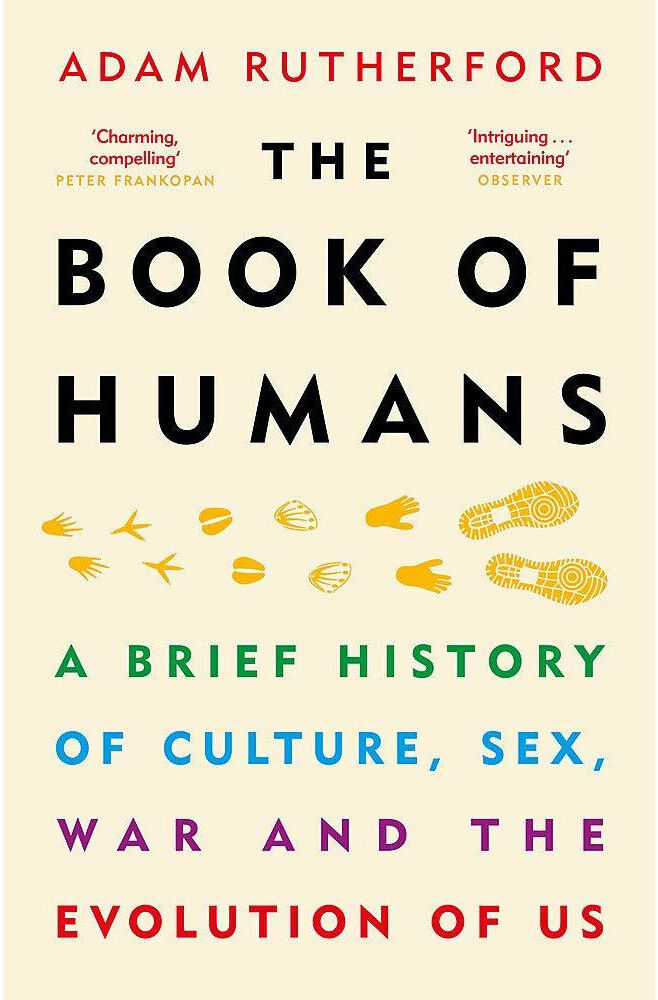
Orion The Book of Humans by Adam Rutherford – A Brief History of Culture, Sex, War & EvolutionWHAT MAKES US HUMAN? Waging war? Sex for pleasure? Creating art? Mastery of fire? In this thrilling tour of the animal kingdom, Adam Rutherford tells the story of how we became the unique creatures we are today. Illuminated by the latest scientific discoveries, THE BOOK OF HUMANS is a dazzling compendium of what unequivocally fixes us as animals, and reveals how we are extraordinary among them.4,98 £*Shipping: 1,99 £Secure redirect to the provider
-
Ancient Greece: The Definitive Visual History (DK Classic History)Embark upon a fascinating journey through ancient Greece – from its rise and fall to its lasting legacy throughout the Western world. Spanning more than 3,000 years, Ancient Greece explores the tumultuous history of this glorious empire in vivid detail – from its Minoan and Mycenaean origins to the apogee of the warring city-states of Athens and Sparta, and from the death of its most charismatic leader, Alexander the Great, to its ultimate defeat by Rome. Sumptuous photography and authoritative, engaging text cover every facet of life in ancient Greece, from art, entertainment, and schools of thought to politics, medicine, and war, while the myths and religious beliefs of the ancient culture are explored and explained in depth. Greece’s military and political power shines through in fascinating maps of its legendary battles. Buried palaces and the Athenian Agora where Plato and Socrates discussed philosophy are brought back to life with stunning CGI artworks. And the stories of everyone from ordinary citizens to lawmakers and the first Olympic athletes are retold through eyewitness accounts and original artefacts.19,99 £*Shipping: 2,99 £Secure redirect to the provider



-
What do real viruses have in common with computer viruses?
Real viruses and computer viruses both have the ability to replicate and spread. Real viruses replicate by infecting host cells and using their machinery to produce more virus particles, while computer viruses replicate by infecting files or programs and spreading to other computers. Additionally, both types of viruses can cause harm to their hosts - real viruses can cause illness and disease in living organisms, while computer viruses can cause damage to computer systems and data. Finally, both real viruses and computer viruses can be prevented and controlled through various measures such as vaccinations for real viruses and antivirus software for computer viruses. **
-
Who searches for viruses?
Virologists, epidemiologists, and researchers are the primary individuals who search for viruses. They conduct studies, analyze samples, and monitor outbreaks to identify and understand new and existing viruses. These professionals play a crucial role in detecting and responding to viral threats to public health. **
-
Can images contain viruses?
No, images themselves cannot contain viruses. Viruses are typically malicious software programs that are designed to infect and harm computer systems, and they cannot be embedded within image files. However, it is possible for images to be used as carriers for viruses by hiding malicious code within the image file, but the image itself is not the virus. It is important to be cautious when downloading images from unknown or untrustworthy sources to avoid potential security risks. **
-
Which viruses affect monkeys?
Some viruses that affect monkeys include simian immunodeficiency virus (SIV), simian foamy virus (SFV), simian retrovirus (SRV), and simian T-cell leukemia virus (STLV). These viruses can cause a range of health issues in monkeys, including immunodeficiency, neurological disorders, and cancer. It is important to monitor and study these viruses in monkeys to better understand their impact on primate populations and potential zoonotic transmission to humans. **

Are viruses living organisms?
Viruses are not considered living organisms because they lack the ability to carry out essential life processes on their own. They cannot reproduce, grow, or metabolize without a host cell. While they contain genetic material like DNA or RNA, they are unable to function independently and rely on host cells to replicate and survive. **
How do viruses replicate?
Viruses replicate by attaching to a host cell and injecting their genetic material into the cell. The virus then takes over the host cell's machinery to replicate its genetic material and produce new virus particles. These new virus particles are then released from the host cell, often destroying the cell in the process. This cycle continues as the newly formed viruses go on to infect other cells in the body. **
Top-Angebote
Products related to Viruses:
-
iSpring CW21-PFBV RV Water Filter System, SGS-Tested PFAS, Báctérïa & Viruses Removal, Reduces Chlorine, Sediments, and OdorDual SGS-Tested Filtration - Combines FC15-PF and FC15-BV filters, both SGS-tested to deliver advanced removal of PFAS, Báctérïa, viruses, chlorine, heavy metals, odors, and suspended particles for superior water quality.473,99 $*Shipping: 0,00 $Secure redirect to the provider
-
iSpring FC15-BV Replacement Water Filter, CTO + Pleated Water Filter Cartridge for US31-BV & CW31-BV, Removes Bacteria & VirusesFeatures: Bacteria & Virus Removal: Lasts up to 12 months, the FC15-BV water filter replacement combines a pleated filter with activated carbon (CTO) to deliver superior filtration performance.62,99 $*Shipping: 0,00 $Secure redirect to the provider
-
iSpring CW21-BV 2-Stage RV Water Filtration System for Campers, SGS-Tested Báctérïa and Viruses Removal, BPA-Free, High CapacitySGS-Tested Báctérïa & Virus Removal - The FC15-BV water filter combines a pleated filter with activated carbon to deliver superior filtration performance.329,42 $*Shipping: 0,00 $Secure redirect to the provider
-
From the Archives: Black History and Culture Value PackThis brand-new series is rooted in a profound commitment to shedding light on some of the important -- and often lesser-known -- aspects of Black history. From the Archives features landmarks, events, people, and artistic endeavors that have played...26,99 $*Shipping: 0,00 $Secure redirect to the provider
-
Are these viruses?
No, the images provided do not show viruses. The first image shows a close-up of a strawberry, the second image shows a close-up of a leaf, and the third image shows a close-up of a butterfly. Viruses are microscopic infectious agents that cannot be seen with the naked eye. **
-
What blocks viruses?
Viruses can be blocked by the body's immune system, which includes white blood cells that can recognize and destroy viruses. Additionally, vaccines can help prevent viral infections by training the immune system to recognize and fight specific viruses. Some antiviral medications can also block viruses by interfering with their ability to replicate and spread in the body. Finally, practicing good hygiene, such as washing hands regularly and avoiding close contact with infected individuals, can help prevent the spread of viruses. **
-
What do real viruses have in common with computer viruses?
Real viruses and computer viruses both have the ability to replicate and spread. Real viruses replicate by infecting host cells and using their machinery to produce more virus particles, while computer viruses replicate by infecting files or programs and spreading to other computers. Additionally, both types of viruses can cause harm to their hosts - real viruses can cause illness and disease in living organisms, while computer viruses can cause damage to computer systems and data. Finally, both real viruses and computer viruses can be prevented and controlled through various measures such as vaccinations for real viruses and antivirus software for computer viruses. **
-
Who searches for viruses?
Virologists, epidemiologists, and researchers are the primary individuals who search for viruses. They conduct studies, analyze samples, and monitor outbreaks to identify and understand new and existing viruses. These professionals play a crucial role in detecting and responding to viral threats to public health. **
Similar search terms for Viruses
-
Orion The Book of Humans by Adam Rutherford – A Brief History of Culture, Sex, War & EvolutionWHAT MAKES US HUMAN? Waging war? Sex for pleasure? Creating art? Mastery of fire? In this thrilling tour of the animal kingdom, Adam Rutherford tells the story of how we became the unique creatures we are today. Illuminated by the latest scientific discoveries, THE BOOK OF HUMANS is a dazzling compendium of what unequivocally fixes us as animals, and reveals how we are extraordinary among them.4,98 £*Shipping: 1,99 £Secure redirect to the provider
-
Ancient Greece: The Definitive Visual History (DK Classic History)Embark upon a fascinating journey through ancient Greece – from its rise and fall to its lasting legacy throughout the Western world. Spanning more than 3,000 years, Ancient Greece explores the tumultuous history of this glorious empire in vivid detail – from its Minoan and Mycenaean origins to the apogee of the warring city-states of Athens and Sparta, and from the death of its most charismatic leader, Alexander the Great, to its ultimate defeat by Rome. Sumptuous photography and authoritative, engaging text cover every facet of life in ancient Greece, from art, entertainment, and schools of thought to politics, medicine, and war, while the myths and religious beliefs of the ancient culture are explored and explained in depth. Greece’s military and political power shines through in fascinating maps of its legendary battles. Buried palaces and the Athenian Agora where Plato and Socrates discussed philosophy are brought back to life with stunning CGI artworks. And the stories of everyone from ordinary citizens to lawmakers and the first Olympic athletes are retold through eyewitness accounts and original artefacts.19,99 £*Shipping: 2,99 £Secure redirect to the provider
-
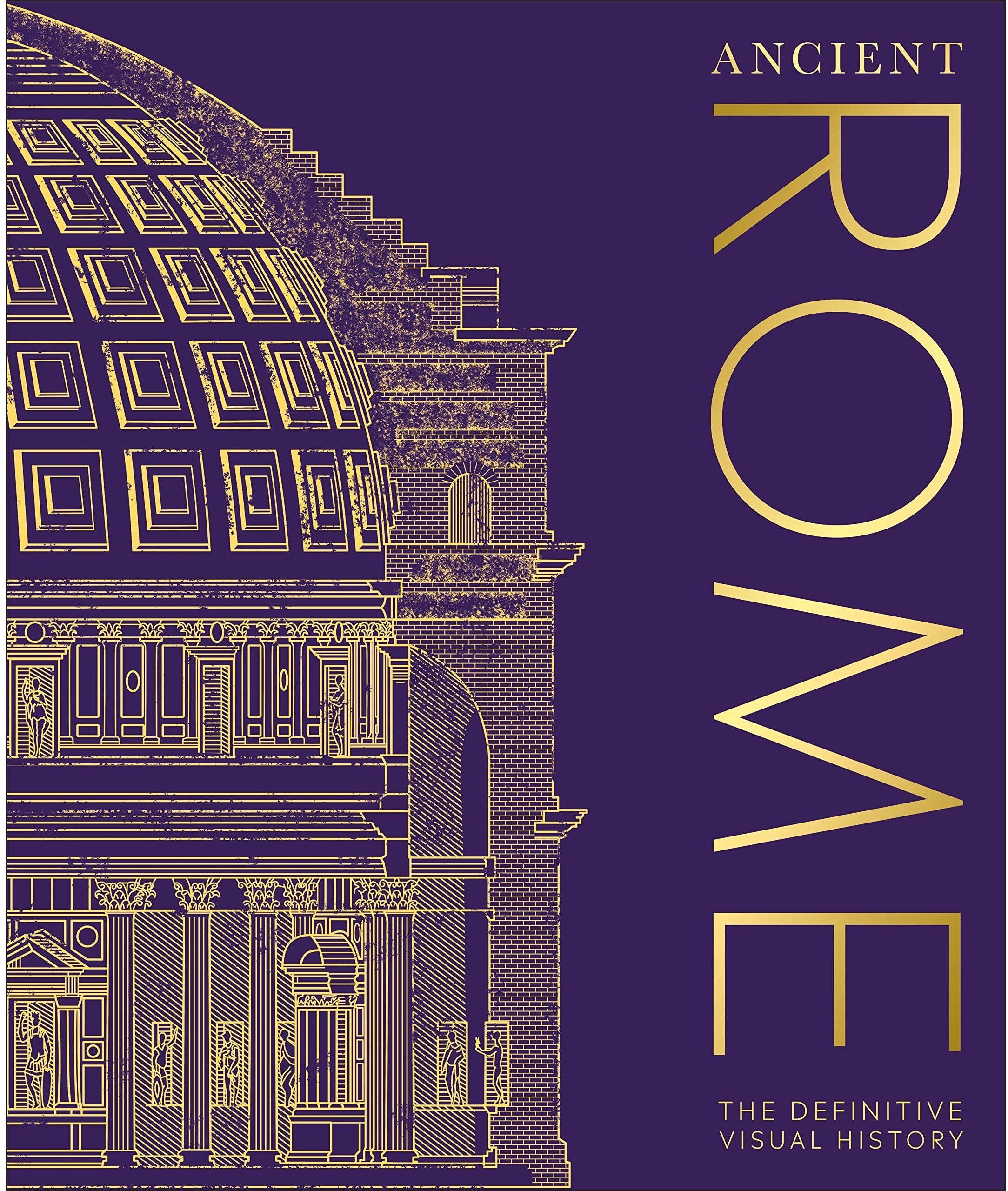
Ancient Rome: The Definitive Visual History (DK Classic History)Immerse yourself in the history of ancient Rome - from its origins as a small settlement on the Palatine Hill to its peak as an empire reigning over 90 million people, and its tumultuous decline. Covering more than 1,000 years of history, and an empire that stretched from Scotland to Syria, Ancient Rome reveals in vivid detail all of the key political, cultural, and military events that shaped the Roman Empire and explores what it was like to live in a society that laid the foundations for many aspects of the modern world. Sumptuous photography and engaging text cover every facet of life in ancient Rome, from art, entertainment, and fashion to engineering, medicine, and war, while detailed maps trace the rise of the mighty Roman Empire. Step back in time in the pages of this history book to discover:- Themed spreads explore developments in areas such as sculpture, religion, warfare, and engineering. - Includes tales of the most dramatic events and battles in Roman history, as well as profiles of influential historical and cultural figures. - An optional 80pp reference section includes sections on rulers, gods and goddesses, and key sites. Featuring Rome's greatest emperors, from Augustus to Constantine, as well as profiles of generals, historians, and influential women, Ancient Rome also delves into the fascinating stories of gladiators, bakers, and enslaved people. The most iconic buildings of Rome are brought to life with specially commissioned CGI recreations, while the stories of ordinary citizens, soldiers, and persecuted groups from across the empire are told with the help of illustrations, artefacts, and eyewitness accounts. Beautifully illustrated and unparalleled in scope, Ancient Rome is the perfect book for anyone who is interested in this defining period of world history.19,95 £*Shipping: 2,99 £Secure redirect to the provider
-
Titan Assassins Creed - The Complete Visual History: The Definitive Visual HistoryThis stunning book explores the rich mythology of Assassins Creed®, featuring the art and history of the series from the first groundbreaking game through the graphic novels to the DLCs. Highlighting the lush and vibrant art that has become a hallmark of the series, this luxury coffee-table book brings the games famous historical locations and figures to life and explores the evolution of each iconic Assassin and Templar.15,99 £*Shipping: 2,99 £Secure redirect to the provider
-
Can images contain viruses?
No, images themselves cannot contain viruses. Viruses are typically malicious software programs that are designed to infect and harm computer systems, and they cannot be embedded within image files. However, it is possible for images to be used as carriers for viruses by hiding malicious code within the image file, but the image itself is not the virus. It is important to be cautious when downloading images from unknown or untrustworthy sources to avoid potential security risks. **
-
Which viruses affect monkeys?
Some viruses that affect monkeys include simian immunodeficiency virus (SIV), simian foamy virus (SFV), simian retrovirus (SRV), and simian T-cell leukemia virus (STLV). These viruses can cause a range of health issues in monkeys, including immunodeficiency, neurological disorders, and cancer. It is important to monitor and study these viruses in monkeys to better understand their impact on primate populations and potential zoonotic transmission to humans. **
-
Are viruses living organisms?
Viruses are not considered living organisms because they lack the ability to carry out essential life processes on their own. They cannot reproduce, grow, or metabolize without a host cell. While they contain genetic material like DNA or RNA, they are unable to function independently and rely on host cells to replicate and survive. **
-
How do viruses replicate?
Viruses replicate by attaching to a host cell and injecting their genetic material into the cell. The virus then takes over the host cell's machinery to replicate its genetic material and produce new virus particles. These new virus particles are then released from the host cell, often destroying the cell in the process. This cycle continues as the newly formed viruses go on to infect other cells in the body. **
* All prices are inclusive of VAT and, if applicable, plus shipping costs. The offer information is based on the details provided by the respective shop and is updated through automated processes. Real-time updates do not occur, so deviations can occur in individual cases. ** Note: Parts of this content were created by AI.