Buy mexicanistas.eu ?
We are moving the project
mexicanistas.eu .
Are you interested in purchasing the domain
mexicanistas.eu ?
domain@kv-gmbh.de · 0541-91531010
Buy mexicanistas.eu ?
Which art movement did Picasso represent?
Picasso was a prominent figure in the Cubist art movement. Cubism was a revolutionary style of art that emerged in the early 20th century, characterized by the use of geometric shapes and the representation of multiple perspectives within a single composition. Picasso, along with Georges Braque, is credited with developing and popularizing this influential art movement. His innovative approach to art and his contributions to Cubism have had a lasting impact on the world of modern art. **
What does caricature represent in history?
Caricature represents a form of satire and social commentary in history. It is a way for artists to exaggerate and distort features of individuals or groups to highlight their flaws, characteristics, or societal issues. Caricatures have been used to mock political figures, social norms, and cultural stereotypes, providing a visual representation of the attitudes and beliefs of a particular time period. Overall, caricature serves as a reflection of the values, controversies, and humor of a society throughout history. **

Similar search terms for Represent
Top-Angebote
Products related to Represent:
-
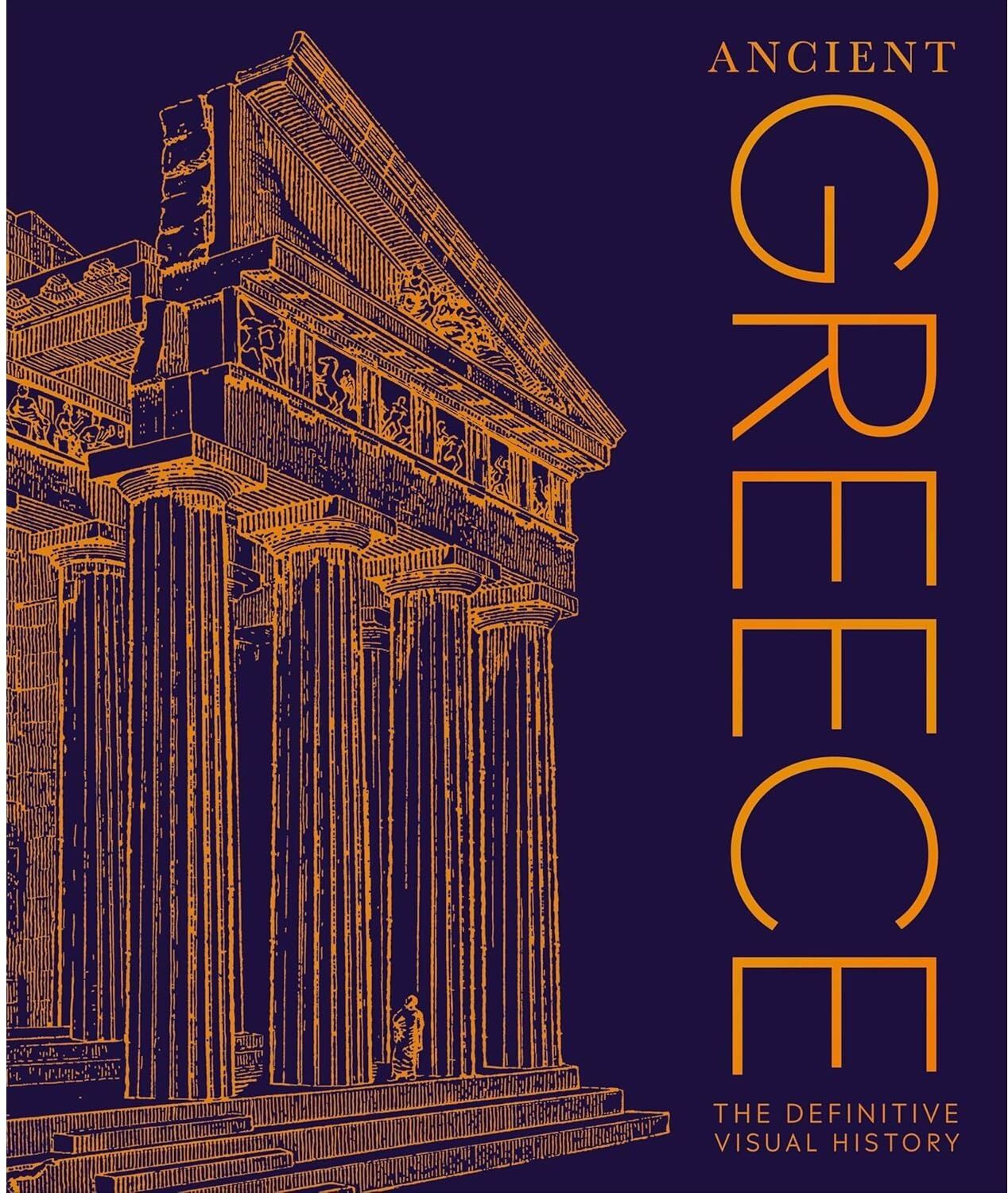
Ancient Greece: The Definitive Visual History (DK Classic History)Embark upon a fascinating journey through ancient Greece – from its rise and fall to its lasting legacy throughout the Western world. Spanning more than 3,000 years, Ancient Greece explores the tumultuous history of this glorious empire in vivid detail – from its Minoan and Mycenaean origins to the apogee of the warring city-states of Athens and Sparta, and from the death of its most charismatic leader, Alexander the Great, to its ultimate defeat by Rome. Sumptuous photography and authoritative, engaging text cover every facet of life in ancient Greece, from art, entertainment, and schools of thought to politics, medicine, and war, while the myths and religious beliefs of the ancient culture are explored and explained in depth. Greece’s military and political power shines through in fascinating maps of its legendary battles. Buried palaces and the Athenian Agora where Plato and Socrates discussed philosophy are brought back to life with stunning CGI artworks. And the stories of everyone from ordinary citizens to lawmakers and the first Olympic athletes are retold through eyewitness accounts and original artefacts.19,99 £*Shipping: 2,99 £Secure redirect to the provider
-
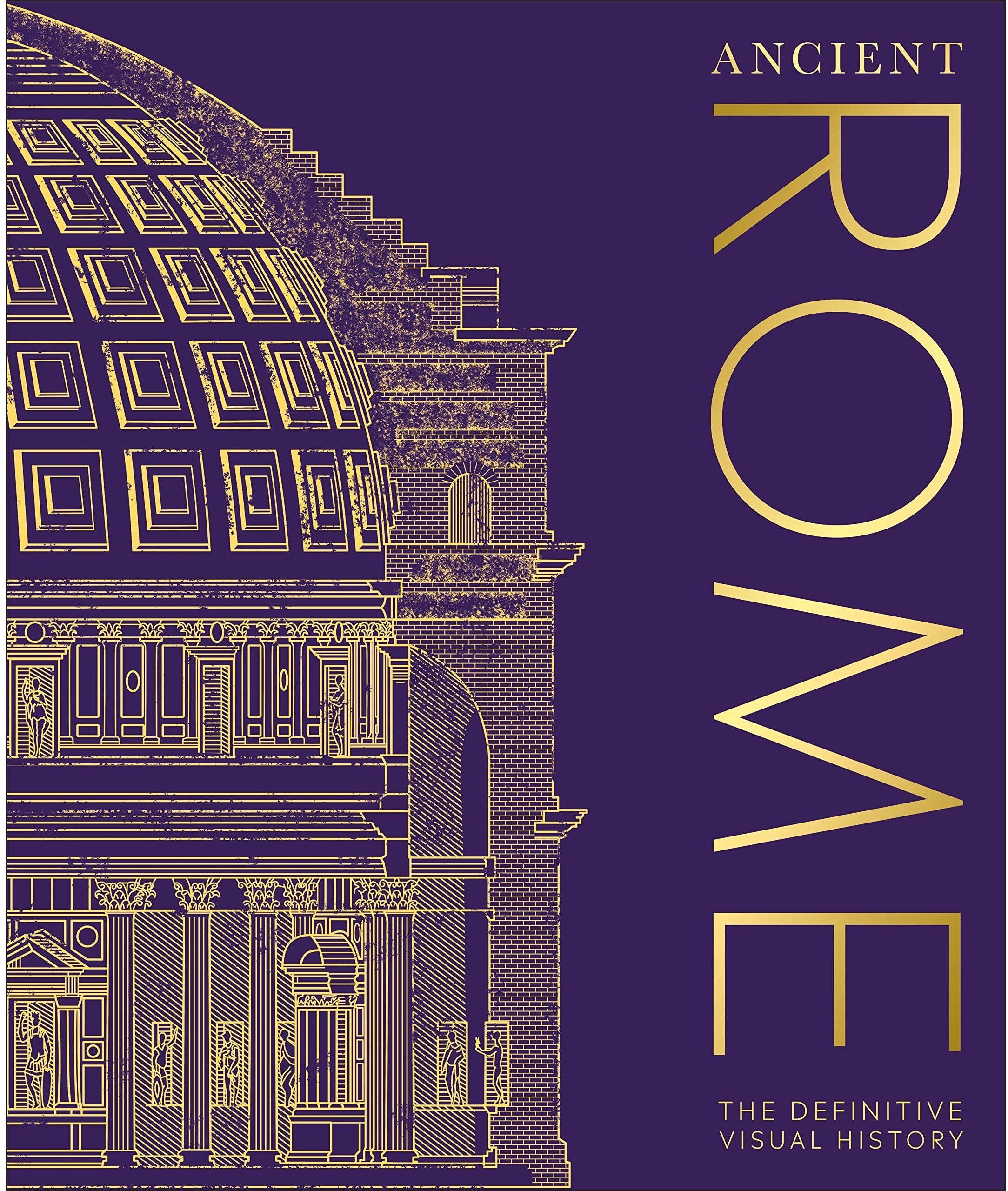
Ancient Rome: The Definitive Visual History (DK Classic History)Immerse yourself in the history of ancient Rome - from its origins as a small settlement on the Palatine Hill to its peak as an empire reigning over 90 million people, and its tumultuous decline. Covering more than 1,000 years of history, and an empire that stretched from Scotland to Syria, Ancient Rome reveals in vivid detail all of the key political, cultural, and military events that shaped the Roman Empire and explores what it was like to live in a society that laid the foundations for many aspects of the modern world. Sumptuous photography and engaging text cover every facet of life in ancient Rome, from art, entertainment, and fashion to engineering, medicine, and war, while detailed maps trace the rise of the mighty Roman Empire. Step back in time in the pages of this history book to discover:- Themed spreads explore developments in areas such as sculpture, religion, warfare, and engineering. - Includes tales of the most dramatic events and battles in Roman history, as well as profiles of influential historical and cultural figures. - An optional 80pp reference section includes sections on rulers, gods and goddesses, and key sites. Featuring Rome's greatest emperors, from Augustus to Constantine, as well as profiles of generals, historians, and influential women, Ancient Rome also delves into the fascinating stories of gladiators, bakers, and enslaved people. The most iconic buildings of Rome are brought to life with specially commissioned CGI recreations, while the stories of ordinary citizens, soldiers, and persecuted groups from across the empire are told with the help of illustrations, artefacts, and eyewitness accounts. Beautifully illustrated and unparalleled in scope, Ancient Rome is the perfect book for anyone who is interested in this defining period of world history.19,95 £*Shipping: 2,99 £Secure redirect to the provider
-
Titan Assassins Creed - The Complete Visual History: The Definitive Visual HistoryThis stunning book explores the rich mythology of Assassins Creed®, featuring the art and history of the series from the first groundbreaking game through the graphic novels to the DLCs. Highlighting the lush and vibrant art that has become a hallmark of the series, this luxury coffee-table book brings the games famous historical locations and figures to life and explores the evolution of each iconic Assassin and Templar.15,99 £*Shipping: 2,99 £Secure redirect to the provider
-
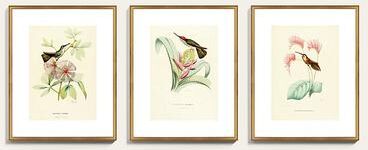
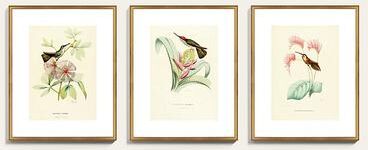
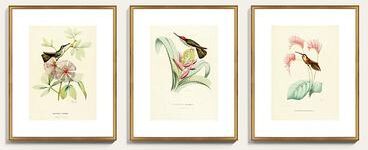
"History of Hummingbirds Art - Print III, 22"" x 18"" - Ballard Designs""These beautiful hummingbird studies were created from original hand-colored bookplates from Martial Etienne Mulsant's 19th century work, Histoire Naturelle des Oiseaux Mouche ou Colibris (""Natural History of Flying Birds or Hummingbirds"".) Each..."243,75 $*Shipping: 39,95 $Secure redirect to the provider

-
How can one represent metamorphosis in art?
Metamorphosis can be represented in art through the use of symbolism, visual transformation, and the depiction of change and evolution. Artists can use symbols such as butterflies, cocoons, or other natural elements to convey the concept of metamorphosis. Visual transformation can be portrayed through the use of abstract or surrealistic techniques, showing a subject transitioning from one form to another. Additionally, artists can depict change and evolution through the use of color, texture, and composition to convey the process of metamorphosis in their artwork. **
-
How can one represent emotions in art?
One can represent emotions in art through the use of color, composition, and subject matter. For example, warm colors like red and orange can convey passion and intensity, while cool colors like blue and green can evoke calmness and tranquility. The composition of the artwork, such as the positioning of figures or objects, can also convey emotions like tension or harmony. Additionally, the subject matter itself can be used to express emotions, such as depicting a figure in a pose that conveys sadness or joy. Overall, artists can use a combination of these elements to effectively represent emotions in their art. **
-
How can one represent a song in art?
One can represent a song in art by visually interpreting the lyrics, mood, or emotions conveyed in the music. This can be done through the use of colors, shapes, and symbols that evoke the essence of the song. Artists can also create artwork inspired by the music itself, such as depicting musical instruments, notes, or the overall atmosphere of the song. Additionally, incorporating elements of the song's music video or album cover can help capture its essence in visual form. **
-
What is the art piece supposed to represent?
The art piece is supposed to represent the struggle and resilience of the human spirit in the face of adversity. The use of dark, heavy brushstrokes and somber colors conveys a sense of hardship and challenge, while the subtle hints of light and color suggest hope and perseverance. Overall, the art piece aims to capture the complex and multifaceted nature of the human experience, highlighting the ability to find strength and beauty even in the most difficult circumstances. **
How can one represent faces using letters in art?
One can represent faces using letters in art by using the letters to form the outline and features of the face. By strategically placing and arranging the letters, an artist can create the shape of the face, eyes, nose, and mouth. Different fonts and sizes of letters can also be used to add depth and texture to the representation. This technique allows for a creative and unique way to depict faces in art, adding an element of typography to the artwork. **
Represent figure 1.
Figure 1 represents a bar graph showing the distribution of different age groups in a population. The x-axis represents the age groups, while the y-axis represents the percentage of the population in each age group. The bars of the graph show the proportion of the population in each age group, with the tallest bar indicating the age group with the highest percentage of the population. This graph provides a visual representation of the age distribution within the population. **
Top-Angebote
Products related to Represent:
-
From the Archives: Black History and Culture Value PackThis brand-new series is rooted in a profound commitment to shedding light on some of the important -- and often lesser-known -- aspects of Black history. From the Archives features landmarks, events, people, and artistic endeavors that have played...26,99 $*Shipping: 0,00 $Secure redirect to the provider
-
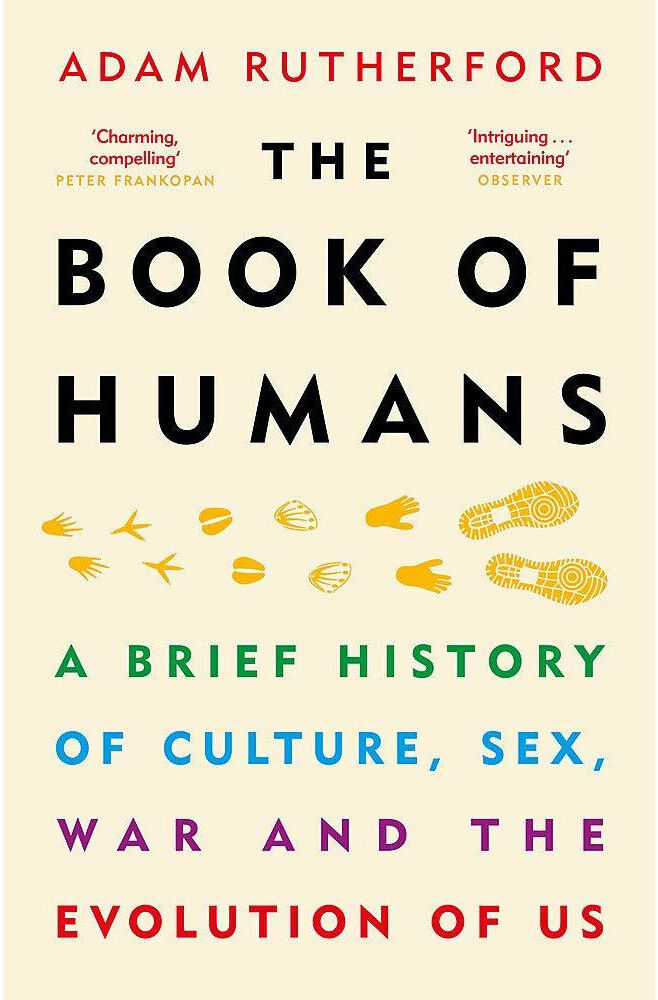
Orion The Book of Humans by Adam Rutherford – A Brief History of Culture, Sex, War & EvolutionWHAT MAKES US HUMAN? Waging war? Sex for pleasure? Creating art? Mastery of fire? In this thrilling tour of the animal kingdom, Adam Rutherford tells the story of how we became the unique creatures we are today. Illuminated by the latest scientific discoveries, THE BOOK OF HUMANS is a dazzling compendium of what unequivocally fixes us as animals, and reveals how we are extraordinary among them.4,98 £*Shipping: 1,99 £Secure redirect to the provider
-
Ancient Greece: The Definitive Visual History (DK Classic History)Embark upon a fascinating journey through ancient Greece – from its rise and fall to its lasting legacy throughout the Western world. Spanning more than 3,000 years, Ancient Greece explores the tumultuous history of this glorious empire in vivid detail – from its Minoan and Mycenaean origins to the apogee of the warring city-states of Athens and Sparta, and from the death of its most charismatic leader, Alexander the Great, to its ultimate defeat by Rome. Sumptuous photography and authoritative, engaging text cover every facet of life in ancient Greece, from art, entertainment, and schools of thought to politics, medicine, and war, while the myths and religious beliefs of the ancient culture are explored and explained in depth. Greece’s military and political power shines through in fascinating maps of its legendary battles. Buried palaces and the Athenian Agora where Plato and Socrates discussed philosophy are brought back to life with stunning CGI artworks. And the stories of everyone from ordinary citizens to lawmakers and the first Olympic athletes are retold through eyewitness accounts and original artefacts.19,99 £*Shipping: 2,99 £Secure redirect to the provider
-
Ancient Rome: The Definitive Visual History (DK Classic History)Immerse yourself in the history of ancient Rome - from its origins as a small settlement on the Palatine Hill to its peak as an empire reigning over 90 million people, and its tumultuous decline. Covering more than 1,000 years of history, and an empire that stretched from Scotland to Syria, Ancient Rome reveals in vivid detail all of the key political, cultural, and military events that shaped the Roman Empire and explores what it was like to live in a society that laid the foundations for many aspects of the modern world. Sumptuous photography and engaging text cover every facet of life in ancient Rome, from art, entertainment, and fashion to engineering, medicine, and war, while detailed maps trace the rise of the mighty Roman Empire. Step back in time in the pages of this history book to discover:- Themed spreads explore developments in areas such as sculpture, religion, warfare, and engineering. - Includes tales of the most dramatic events and battles in Roman history, as well as profiles of influential historical and cultural figures. - An optional 80pp reference section includes sections on rulers, gods and goddesses, and key sites. Featuring Rome's greatest emperors, from Augustus to Constantine, as well as profiles of generals, historians, and influential women, Ancient Rome also delves into the fascinating stories of gladiators, bakers, and enslaved people. The most iconic buildings of Rome are brought to life with specially commissioned CGI recreations, while the stories of ordinary citizens, soldiers, and persecuted groups from across the empire are told with the help of illustrations, artefacts, and eyewitness accounts. Beautifully illustrated and unparalleled in scope, Ancient Rome is the perfect book for anyone who is interested in this defining period of world history.19,95 £*Shipping: 2,99 £Secure redirect to the provider
-
Which art movement did Picasso represent?
Picasso was a prominent figure in the Cubist art movement. Cubism was a revolutionary style of art that emerged in the early 20th century, characterized by the use of geometric shapes and the representation of multiple perspectives within a single composition. Picasso, along with Georges Braque, is credited with developing and popularizing this influential art movement. His innovative approach to art and his contributions to Cubism have had a lasting impact on the world of modern art. **
-
What does caricature represent in history?
Caricature represents a form of satire and social commentary in history. It is a way for artists to exaggerate and distort features of individuals or groups to highlight their flaws, characteristics, or societal issues. Caricatures have been used to mock political figures, social norms, and cultural stereotypes, providing a visual representation of the attitudes and beliefs of a particular time period. Overall, caricature serves as a reflection of the values, controversies, and humor of a society throughout history. **
-
How can one represent metamorphosis in art?
Metamorphosis can be represented in art through the use of symbolism, visual transformation, and the depiction of change and evolution. Artists can use symbols such as butterflies, cocoons, or other natural elements to convey the concept of metamorphosis. Visual transformation can be portrayed through the use of abstract or surrealistic techniques, showing a subject transitioning from one form to another. Additionally, artists can depict change and evolution through the use of color, texture, and composition to convey the process of metamorphosis in their artwork. **
-
How can one represent emotions in art?
One can represent emotions in art through the use of color, composition, and subject matter. For example, warm colors like red and orange can convey passion and intensity, while cool colors like blue and green can evoke calmness and tranquility. The composition of the artwork, such as the positioning of figures or objects, can also convey emotions like tension or harmony. Additionally, the subject matter itself can be used to express emotions, such as depicting a figure in a pose that conveys sadness or joy. Overall, artists can use a combination of these elements to effectively represent emotions in their art. **
Similar search terms for Represent
-
Titan Assassins Creed - The Complete Visual History: The Definitive Visual HistoryThis stunning book explores the rich mythology of Assassins Creed®, featuring the art and history of the series from the first groundbreaking game through the graphic novels to the DLCs. Highlighting the lush and vibrant art that has become a hallmark of the series, this luxury coffee-table book brings the games famous historical locations and figures to life and explores the evolution of each iconic Assassin and Templar.15,99 £*Shipping: 2,99 £Secure redirect to the provider
-
"History of Hummingbirds Art - Print III, 22"" x 18"" - Ballard Designs""These beautiful hummingbird studies were created from original hand-colored bookplates from Martial Etienne Mulsant's 19th century work, Histoire Naturelle des Oiseaux Mouche ou Colibris (""Natural History of Flying Birds or Hummingbirds"".) Each..."243,75 $*Shipping: 39,95 $Secure redirect to the provider
-
"History of Hummingbirds Art - Print II, 22"" x 18"" - Ballard Designs""These beautiful hummingbird studies were created from original hand-colored bookplates from Martial Etienne Mulsant's 19th century work, Histoire Naturelle des Oiseaux Mouche ou Colibris (""Natural History of Flying Birds or Hummingbirds"".) Each..."243,75 $*Shipping: 39,95 $Secure redirect to the provider
-
"History of Hummingbirds Art - Print I, 22"" x 18"" - Ballard Designs""These beautiful hummingbird studies were created from original hand-colored bookplates from Martial Etienne Mulsant's 19th century work, Histoire Naturelle des Oiseaux Mouche ou Colibris (""Natural History of Flying Birds or Hummingbirds"".) Each..."243,75 $*Shipping: 39,95 $Secure redirect to the provider
-
How can one represent a song in art?
One can represent a song in art by visually interpreting the lyrics, mood, or emotions conveyed in the music. This can be done through the use of colors, shapes, and symbols that evoke the essence of the song. Artists can also create artwork inspired by the music itself, such as depicting musical instruments, notes, or the overall atmosphere of the song. Additionally, incorporating elements of the song's music video or album cover can help capture its essence in visual form. **
-
What is the art piece supposed to represent?
The art piece is supposed to represent the struggle and resilience of the human spirit in the face of adversity. The use of dark, heavy brushstrokes and somber colors conveys a sense of hardship and challenge, while the subtle hints of light and color suggest hope and perseverance. Overall, the art piece aims to capture the complex and multifaceted nature of the human experience, highlighting the ability to find strength and beauty even in the most difficult circumstances. **
-
How can one represent faces using letters in art?
One can represent faces using letters in art by using the letters to form the outline and features of the face. By strategically placing and arranging the letters, an artist can create the shape of the face, eyes, nose, and mouth. Different fonts and sizes of letters can also be used to add depth and texture to the representation. This technique allows for a creative and unique way to depict faces in art, adding an element of typography to the artwork. **
-
Represent figure 1.
Figure 1 represents a bar graph showing the distribution of different age groups in a population. The x-axis represents the age groups, while the y-axis represents the percentage of the population in each age group. The bars of the graph show the proportion of the population in each age group, with the tallest bar indicating the age group with the highest percentage of the population. This graph provides a visual representation of the age distribution within the population. **
* All prices are inclusive of VAT and, if applicable, plus shipping costs. The offer information is based on the details provided by the respective shop and is updated through automated processes. Real-time updates do not occur, so deviations can occur in individual cases. ** Note: Parts of this content were created by AI.