Buy mexicanistas.eu ?
We are moving the project
mexicanistas.eu .
Are you interested in purchasing the domain
mexicanistas.eu ?
domain@kv-gmbh.de · 0541-91531010
Buy mexicanistas.eu ?
What is Willy Brandt's new Ostpolitik?
Willy Brandt's new Ostpolitik was a policy of reconciliation and engagement with Eastern European countries, particularly the Soviet Union and East Germany. It aimed to improve relations with these countries through dialogue, cooperation, and cultural exchanges, in order to reduce tensions and promote peace in the region. This policy marked a shift from the previous confrontational approach towards the East, and was seen as a significant step towards detente during the Cold War. **
What is the new Ostpolitik 3?
Ostpolitik 3 refers to the new approach of Germany towards its relations with Eastern European countries, particularly Russia. It focuses on maintaining dialogue and cooperation with these countries while also addressing areas of disagreement and conflict. The goal of Ostpolitik 3 is to promote stability, security, and economic development in the region, while also upholding democratic values and human rights. This approach recognizes the importance of engaging with Eastern European countries in a constructive and pragmatic manner to address common challenges and opportunities. **

Similar search terms for Ostpolitik
Top-Angebote
Products related to Ostpolitik:
-
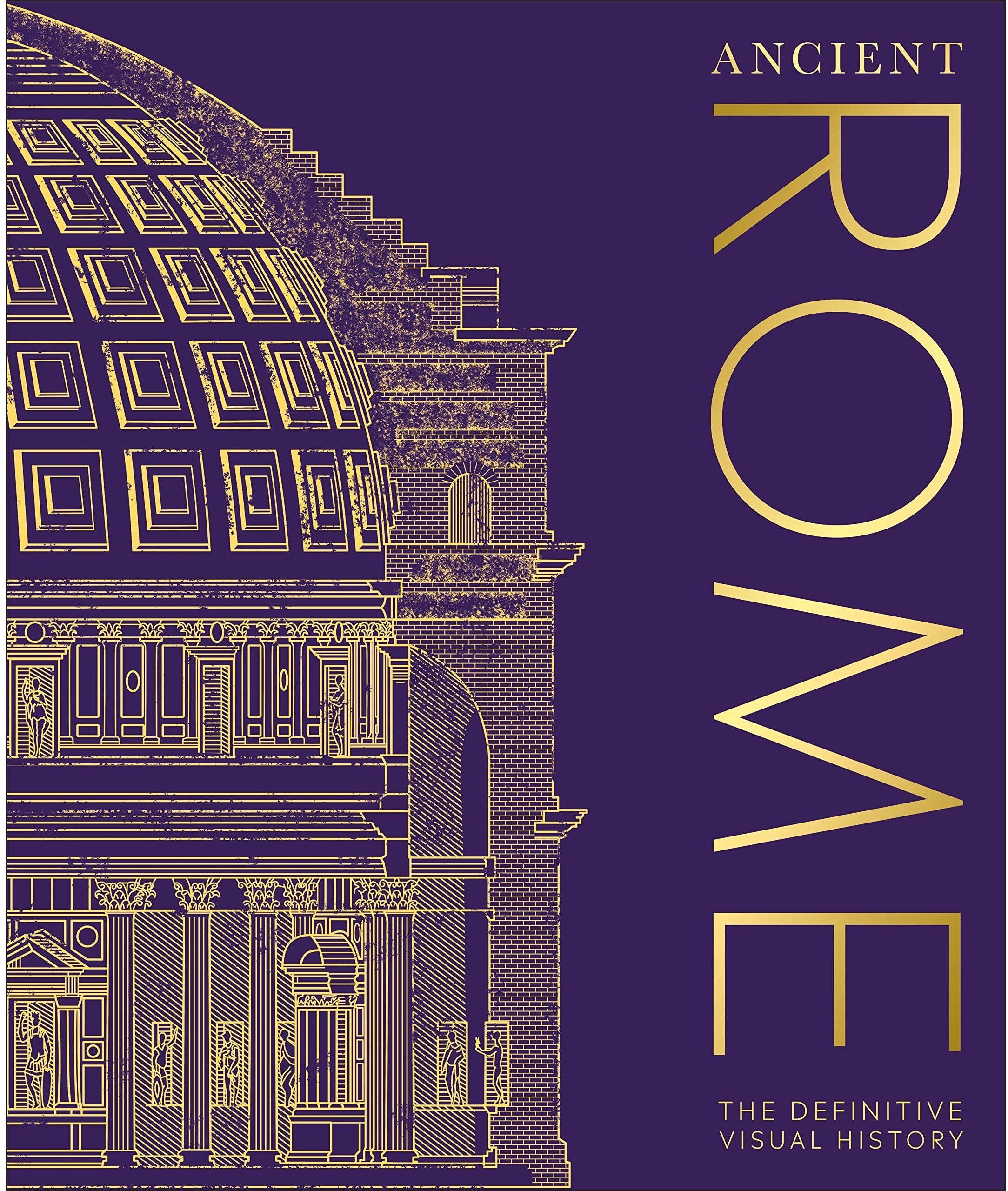
Ancient Rome: The Definitive Visual History (DK Classic History)Immerse yourself in the history of ancient Rome - from its origins as a small settlement on the Palatine Hill to its peak as an empire reigning over 90 million people, and its tumultuous decline. Covering more than 1,000 years of history, and an empire that stretched from Scotland to Syria, Ancient Rome reveals in vivid detail all of the key political, cultural, and military events that shaped the Roman Empire and explores what it was like to live in a society that laid the foundations for many aspects of the modern world. Sumptuous photography and engaging text cover every facet of life in ancient Rome, from art, entertainment, and fashion to engineering, medicine, and war, while detailed maps trace the rise of the mighty Roman Empire. Step back in time in the pages of this history book to discover:- Themed spreads explore developments in areas such as sculpture, religion, warfare, and engineering. - Includes tales of the most dramatic events and battles in Roman history, as well as profiles of influential historical and cultural figures. - An optional 80pp reference section includes sections on rulers, gods and goddesses, and key sites. Featuring Rome's greatest emperors, from Augustus to Constantine, as well as profiles of generals, historians, and influential women, Ancient Rome also delves into the fascinating stories of gladiators, bakers, and enslaved people. The most iconic buildings of Rome are brought to life with specially commissioned CGI recreations, while the stories of ordinary citizens, soldiers, and persecuted groups from across the empire are told with the help of illustrations, artefacts, and eyewitness accounts. Beautifully illustrated and unparalleled in scope, Ancient Rome is the perfect book for anyone who is interested in this defining period of world history.19,95 £*Shipping: 2,99 £Secure redirect to the provider
-
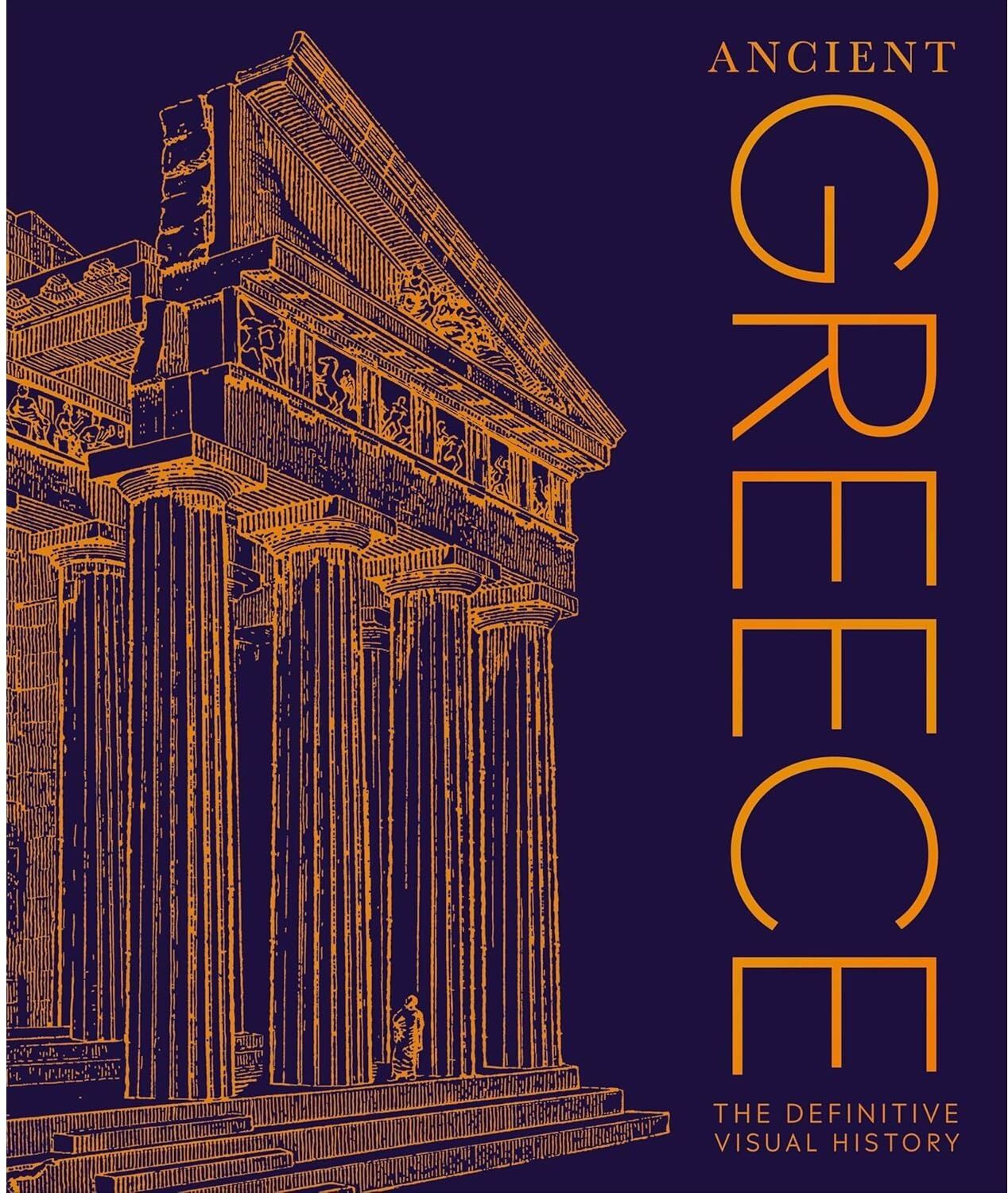
Ancient Greece: The Definitive Visual History (DK Classic History)Embark upon a fascinating journey through ancient Greece – from its rise and fall to its lasting legacy throughout the Western world. Spanning more than 3,000 years, Ancient Greece explores the tumultuous history of this glorious empire in vivid detail – from its Minoan and Mycenaean origins to the apogee of the warring city-states of Athens and Sparta, and from the death of its most charismatic leader, Alexander the Great, to its ultimate defeat by Rome. Sumptuous photography and authoritative, engaging text cover every facet of life in ancient Greece, from art, entertainment, and schools of thought to politics, medicine, and war, while the myths and religious beliefs of the ancient culture are explored and explained in depth. Greece’s military and political power shines through in fascinating maps of its legendary battles. Buried palaces and the Athenian Agora where Plato and Socrates discussed philosophy are brought back to life with stunning CGI artworks. And the stories of everyone from ordinary citizens to lawmakers and the first Olympic athletes are retold through eyewitness accounts and original artefacts.19,99 £*Shipping: 2,99 £Secure redirect to the provider
-
"History of Hummingbirds Art - Print II, 32"" x 26"" - Ballard Designs""These beautiful hummingbird studies were created from original hand-colored bookplates from Martial Etienne Mulsant's 19th century work, Histoire Naturelle des Oiseaux Mouche ou Colibris (""Natural History of Flying Birds or Hummingbirds"".) Each..."463,20 $*Shipping: 55,58 $Secure redirect to the provider
-
"History of Hummingbirds Art - Print III, 32"" x 26"" - Ballard Designs""These beautiful hummingbird studies were created from original hand-colored bookplates from Martial Etienne Mulsant's 19th century work, Histoire Naturelle des Oiseaux Mouche ou Colibris (""Natural History of Flying Birds or Hummingbirds"".) Each..."463,20 $*Shipping: 55,58 $Secure redirect to the provider


-
What was new about the new Ostpolitik?
The new Ostpolitik, introduced by West German Chancellor Willy Brandt in the late 1960s, was a significant departure from previous policies towards Eastern Europe. It focused on improving relations with East Germany and other Eastern European countries through dialogue, cooperation, and reconciliation. This approach marked a shift towards detente and a willingness to engage in dialogue with communist states, rather than isolating them. The new Ostpolitik also led to the signing of treaties such as the Basic Treaty with East Germany, which helped to normalize relations and reduce tensions in the region. **
-
Why was there criticism of Brandt's Ostpolitik?
Criticism of Brandt's Ostpolitik stemmed from several factors. Some critics believed that by engaging in dialogue and cooperation with East Germany and the Soviet Union, Brandt was legitimizing and propping up repressive communist regimes. Others argued that Ostpolitik undermined the unity of the Western alliance, particularly by potentially weakening ties with the United States. Additionally, some critics felt that Ostpolitik did not go far enough in addressing human rights abuses and political repression in Eastern Europe. **
-
How can I interpret this cartoon about Germany's Ostpolitik?
This cartoon likely portrays Germany's Ostpolitik as a balancing act between East and West. The figure representing Germany is shown walking a tightrope, symbolizing the delicate diplomatic maneuvering required to maintain relationships with both the Eastern and Western blocs during the Cold War. The flags of the United States and Soviet Union on either side suggest the pressure Germany faced from both superpowers. Overall, the cartoon conveys the complexity and challenges of Germany's Ostpolitik strategy in navigating the geopolitical landscape of the time. **
-
Did the new Ostpolitik rather promote reunification or strengthen SED rule?
The new Ostpolitik pursued by West Germany under Chancellor Willy Brandt aimed to improve relations with East Germany and other Eastern Bloc countries. While it did not explicitly promote reunification, it did create opportunities for dialogue and cooperation between the two Germanys. However, some critics argue that it also inadvertently strengthened the rule of the Socialist Unity Party (SED) in East Germany by providing economic support and legitimacy to the regime. Ultimately, the Ostpolitik had a complex impact on the dynamics between East and West Germany, with both reunification and SED rule being influenced in different ways. **


What are the three most important Ostpolitik treaties of the Brandt government?
The three most important Ostpolitik treaties of the Brandt government were the Treaty of Moscow (1970), the Treaty of Warsaw (1970), and the Four Power Agreement on Berlin (1971). The Treaty of Moscow recognized the Oder-Neisse line as the official border between Germany and Poland, marking a significant step towards reconciliation and normalization of relations between the two countries. The Treaty of Warsaw reaffirmed the border and committed both countries to peaceful coexistence and cooperation. The Four Power Agreement on Berlin helped to ease tensions in the divided city and improve communication and travel between East and West Berlin. These treaties were crucial in fostering a new era of detente and cooperation between East and West Germany and their neighboring countries. **
How can one describe the caricature interpretation of Willy Brandt's Ostpolitik in 1970?
The caricature interpretation of Willy Brandt's Ostpolitik in 1970 often depicted him as a dove of peace, symbolizing his efforts to improve relations with Eastern European countries and the Soviet Union. Brandt's policy of detente and dialogue with the East was portrayed as a bold and progressive approach to diplomacy during the Cold War. The caricatures often emphasized Brandt's willingness to engage in dialogue and compromise, contrasting with the more confrontational approaches of previous leaders. Overall, the caricature interpretation of Brandt's Ostpolitik in 1970 highlighted his role as a peacemaker and bridge-builder between East and West. **
Top-Angebote
Products related to Ostpolitik:
-
From the Archives: Black History and Culture Value PackThis brand-new series is rooted in a profound commitment to shedding light on some of the important -- and often lesser-known -- aspects of Black history. From the Archives features landmarks, events, people, and artistic endeavors that have played...26,99 $*Shipping: 0,00 $Secure redirect to the provider
-
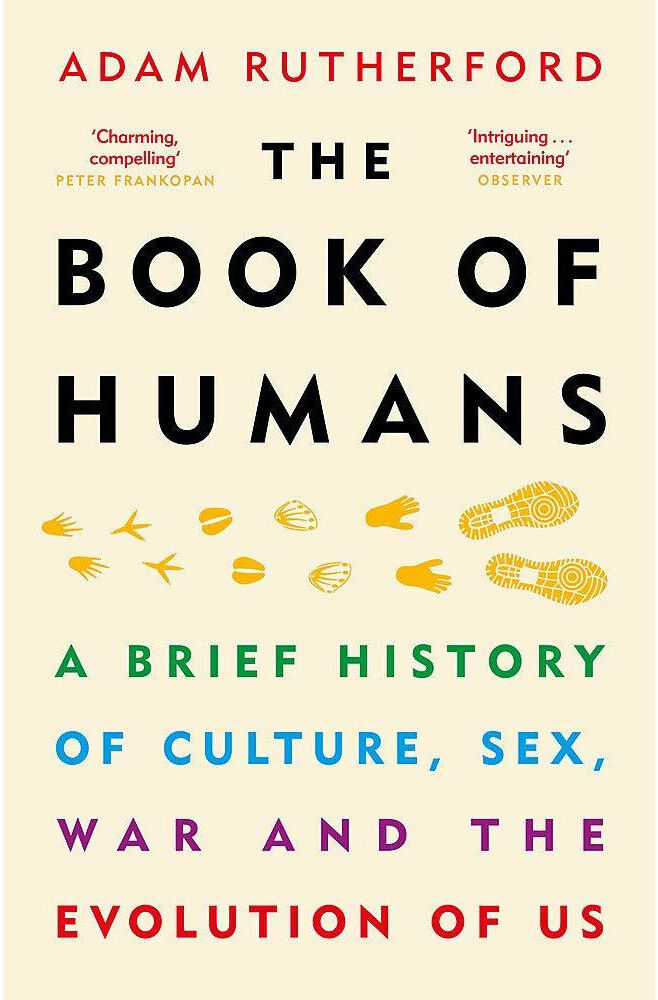
Orion The Book of Humans by Adam Rutherford – A Brief History of Culture, Sex, War & EvolutionWHAT MAKES US HUMAN? Waging war? Sex for pleasure? Creating art? Mastery of fire? In this thrilling tour of the animal kingdom, Adam Rutherford tells the story of how we became the unique creatures we are today. Illuminated by the latest scientific discoveries, THE BOOK OF HUMANS is a dazzling compendium of what unequivocally fixes us as animals, and reveals how we are extraordinary among them.4,98 £*Shipping: 1,99 £Secure redirect to the provider
-
Ancient Rome: The Definitive Visual History (DK Classic History)Immerse yourself in the history of ancient Rome - from its origins as a small settlement on the Palatine Hill to its peak as an empire reigning over 90 million people, and its tumultuous decline. Covering more than 1,000 years of history, and an empire that stretched from Scotland to Syria, Ancient Rome reveals in vivid detail all of the key political, cultural, and military events that shaped the Roman Empire and explores what it was like to live in a society that laid the foundations for many aspects of the modern world. Sumptuous photography and engaging text cover every facet of life in ancient Rome, from art, entertainment, and fashion to engineering, medicine, and war, while detailed maps trace the rise of the mighty Roman Empire. Step back in time in the pages of this history book to discover:- Themed spreads explore developments in areas such as sculpture, religion, warfare, and engineering. - Includes tales of the most dramatic events and battles in Roman history, as well as profiles of influential historical and cultural figures. - An optional 80pp reference section includes sections on rulers, gods and goddesses, and key sites. Featuring Rome's greatest emperors, from Augustus to Constantine, as well as profiles of generals, historians, and influential women, Ancient Rome also delves into the fascinating stories of gladiators, bakers, and enslaved people. The most iconic buildings of Rome are brought to life with specially commissioned CGI recreations, while the stories of ordinary citizens, soldiers, and persecuted groups from across the empire are told with the help of illustrations, artefacts, and eyewitness accounts. Beautifully illustrated and unparalleled in scope, Ancient Rome is the perfect book for anyone who is interested in this defining period of world history.19,95 £*Shipping: 2,99 £Secure redirect to the provider
-
Ancient Greece: The Definitive Visual History (DK Classic History)Embark upon a fascinating journey through ancient Greece – from its rise and fall to its lasting legacy throughout the Western world. Spanning more than 3,000 years, Ancient Greece explores the tumultuous history of this glorious empire in vivid detail – from its Minoan and Mycenaean origins to the apogee of the warring city-states of Athens and Sparta, and from the death of its most charismatic leader, Alexander the Great, to its ultimate defeat by Rome. Sumptuous photography and authoritative, engaging text cover every facet of life in ancient Greece, from art, entertainment, and schools of thought to politics, medicine, and war, while the myths and religious beliefs of the ancient culture are explored and explained in depth. Greece’s military and political power shines through in fascinating maps of its legendary battles. Buried palaces and the Athenian Agora where Plato and Socrates discussed philosophy are brought back to life with stunning CGI artworks. And the stories of everyone from ordinary citizens to lawmakers and the first Olympic athletes are retold through eyewitness accounts and original artefacts.19,99 £*Shipping: 2,99 £Secure redirect to the provider
-
What is Willy Brandt's new Ostpolitik?
Willy Brandt's new Ostpolitik was a policy of reconciliation and engagement with Eastern European countries, particularly the Soviet Union and East Germany. It aimed to improve relations with these countries through dialogue, cooperation, and cultural exchanges, in order to reduce tensions and promote peace in the region. This policy marked a shift from the previous confrontational approach towards the East, and was seen as a significant step towards detente during the Cold War. **
-
What is the new Ostpolitik 3?
Ostpolitik 3 refers to the new approach of Germany towards its relations with Eastern European countries, particularly Russia. It focuses on maintaining dialogue and cooperation with these countries while also addressing areas of disagreement and conflict. The goal of Ostpolitik 3 is to promote stability, security, and economic development in the region, while also upholding democratic values and human rights. This approach recognizes the importance of engaging with Eastern European countries in a constructive and pragmatic manner to address common challenges and opportunities. **
-
What was new about the new Ostpolitik?
The new Ostpolitik, introduced by West German Chancellor Willy Brandt in the late 1960s, was a significant departure from previous policies towards Eastern Europe. It focused on improving relations with East Germany and other Eastern European countries through dialogue, cooperation, and reconciliation. This approach marked a shift towards detente and a willingness to engage in dialogue with communist states, rather than isolating them. The new Ostpolitik also led to the signing of treaties such as the Basic Treaty with East Germany, which helped to normalize relations and reduce tensions in the region. **
-
Why was there criticism of Brandt's Ostpolitik?
Criticism of Brandt's Ostpolitik stemmed from several factors. Some critics believed that by engaging in dialogue and cooperation with East Germany and the Soviet Union, Brandt was legitimizing and propping up repressive communist regimes. Others argued that Ostpolitik undermined the unity of the Western alliance, particularly by potentially weakening ties with the United States. Additionally, some critics felt that Ostpolitik did not go far enough in addressing human rights abuses and political repression in Eastern Europe. **
Similar search terms for Ostpolitik
-
"History of Hummingbirds Art - Print II, 32"" x 26"" - Ballard Designs""These beautiful hummingbird studies were created from original hand-colored bookplates from Martial Etienne Mulsant's 19th century work, Histoire Naturelle des Oiseaux Mouche ou Colibris (""Natural History of Flying Birds or Hummingbirds"".) Each..."463,20 $*Shipping: 55,58 $Secure redirect to the provider
-
"History of Hummingbirds Art - Print III, 32"" x 26"" - Ballard Designs""These beautiful hummingbird studies were created from original hand-colored bookplates from Martial Etienne Mulsant's 19th century work, Histoire Naturelle des Oiseaux Mouche ou Colibris (""Natural History of Flying Birds or Hummingbirds"".) Each..."463,20 $*Shipping: 55,58 $Secure redirect to the provider
-
"History of Hummingbirds Art - Print III, 22"" x 18"" - Ballard Designs""These beautiful hummingbird studies were created from original hand-colored bookplates from Martial Etienne Mulsant's 19th century work, Histoire Naturelle des Oiseaux Mouche ou Colibris (""Natural History of Flying Birds or Hummingbirds"".) Each..."260,00 $*Shipping: 39,95 $Secure redirect to the provider
-
"History of Hummingbirds Art - Print II, 22"" x 18"" - Ballard Designs""These beautiful hummingbird studies were created from original hand-colored bookplates from Martial Etienne Mulsant's 19th century work, Histoire Naturelle des Oiseaux Mouche ou Colibris (""Natural History of Flying Birds or Hummingbirds"".) Each..."260,00 $*Shipping: 39,95 $Secure redirect to the provider
-
How can I interpret this cartoon about Germany's Ostpolitik?
This cartoon likely portrays Germany's Ostpolitik as a balancing act between East and West. The figure representing Germany is shown walking a tightrope, symbolizing the delicate diplomatic maneuvering required to maintain relationships with both the Eastern and Western blocs during the Cold War. The flags of the United States and Soviet Union on either side suggest the pressure Germany faced from both superpowers. Overall, the cartoon conveys the complexity and challenges of Germany's Ostpolitik strategy in navigating the geopolitical landscape of the time. **
-
Did the new Ostpolitik rather promote reunification or strengthen SED rule?
The new Ostpolitik pursued by West Germany under Chancellor Willy Brandt aimed to improve relations with East Germany and other Eastern Bloc countries. While it did not explicitly promote reunification, it did create opportunities for dialogue and cooperation between the two Germanys. However, some critics argue that it also inadvertently strengthened the rule of the Socialist Unity Party (SED) in East Germany by providing economic support and legitimacy to the regime. Ultimately, the Ostpolitik had a complex impact on the dynamics between East and West Germany, with both reunification and SED rule being influenced in different ways. **
-
What are the three most important Ostpolitik treaties of the Brandt government?
The three most important Ostpolitik treaties of the Brandt government were the Treaty of Moscow (1970), the Treaty of Warsaw (1970), and the Four Power Agreement on Berlin (1971). The Treaty of Moscow recognized the Oder-Neisse line as the official border between Germany and Poland, marking a significant step towards reconciliation and normalization of relations between the two countries. The Treaty of Warsaw reaffirmed the border and committed both countries to peaceful coexistence and cooperation. The Four Power Agreement on Berlin helped to ease tensions in the divided city and improve communication and travel between East and West Berlin. These treaties were crucial in fostering a new era of detente and cooperation between East and West Germany and their neighboring countries. **
-
How can one describe the caricature interpretation of Willy Brandt's Ostpolitik in 1970?
The caricature interpretation of Willy Brandt's Ostpolitik in 1970 often depicted him as a dove of peace, symbolizing his efforts to improve relations with Eastern European countries and the Soviet Union. Brandt's policy of detente and dialogue with the East was portrayed as a bold and progressive approach to diplomacy during the Cold War. The caricatures often emphasized Brandt's willingness to engage in dialogue and compromise, contrasting with the more confrontational approaches of previous leaders. Overall, the caricature interpretation of Brandt's Ostpolitik in 1970 highlighted his role as a peacemaker and bridge-builder between East and West. **
* All prices are inclusive of VAT and, if applicable, plus shipping costs. The offer information is based on the details provided by the respective shop and is updated through automated processes. Real-time updates do not occur, so deviations can occur in individual cases. ** Note: Parts of this content were created by AI.