Buy mexicanistas.eu ?
We are moving the project
mexicanistas.eu .
Are you interested in purchasing the domain
mexicanistas.eu ?
domain@kv-gmbh.de · 0541-91531010
Buy mexicanistas.eu ?
What is the history of Japan?
Japan's history dates back thousands of years, with the first known human habitation dating back to around 30,000 BC. The country has a rich and complex history, with periods of imperial rule, feudalism, and isolationism. Japan experienced significant cultural and technological advancements during the Edo period (1603-1868) and underwent rapid modernization and industrialization in the late 19th and early 20th centuries. The country also played a significant role in World War II and has since emerged as a major economic and technological powerhouse on the global stage. **
When does culture in Japan meet the toilet here?
Culture in Japan meets the toilet in various ways, as the country is known for its advanced and innovative toilet technology. Japanese toilets often feature heated seats, bidet functions, and even music or sound effects to mask any embarrassing noises. This blend of traditional Japanese culture, which values cleanliness and efficiency, with modern technology, is evident in the country's approach to toilet design and hygiene. Additionally, the concept of omotenashi, or hospitality, extends to the toilet experience in Japan, with many public restrooms being well-maintained and equipped with amenities to ensure a comfortable visit for users. **

Similar search terms for Japan
Top-Angebote
Products related to Japan:
-
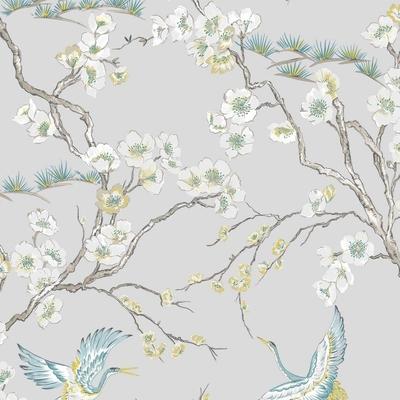
Sublime Japan Blue WallpaperSurround yourself with a Japanese inspired wallpaper and feel the calming Zen. The Crane bird is celebrated in Japan as a symbol of longevity, luck & much more. This beautiful trail design will add a touch of serenity in any room.45,00 $*Shipping: 0,00 $Secure redirect to the provider
-
Skip's Garage Japan Flag Outdoor Cornhole Board SetIncludes: (2) Cornhole Boards & (8) Bags. Easily Choose Your Board Size & Type. Bags Will Complement The Board Colors. Easily Message Us Bag Color Requests. Add Accessories like Carry Cases, Hole Lights or Edge Lights.570,99 $*Shipping: 0,00 $Secure redirect to the provider
-
Skip's Garage Japan Flag Outdoor Cornhole Board SetIncludes: (2) Cornhole Boards & (8) Bags. Easily Choose Your Board Size & Type. Bags Will Complement The Board Colors. Easily Message Us Bag Color Requests. Add Accessories like Carry Cases, Hole Lights or Edge Lights.493,49 $*Shipping: 0,00 $Secure redirect to the provider
-
Skip's Garage Japan Flag Outdoor Cornhole Board SetIncludes: (2) Cornhole Boards & (8) Bags. Easily Choose Your Board Size & Type. Bags Will Complement The Board Colors. Easily Message Us Bag Color Requests. Add Accessories like Carry Cases, Hole Lights or Edge Lights.545,99 $*Shipping: 0,00 $Secure redirect to the provider


-
How can the subject of art be integrated into history lessons in relation to Japan?
The subject of art can be integrated into history lessons in relation to Japan by exploring the role of art in reflecting and shaping historical events and cultural developments. Teachers can incorporate discussions on traditional Japanese art forms such as ukiyo-e prints, tea ceremony aesthetics, and samurai armor to provide insights into different periods of Japanese history. Additionally, analyzing how art was used as a tool for propaganda during wartime or as a form of resistance can deepen students' understanding of the socio-political context of Japan's past. By examining art alongside historical events, students can gain a more holistic perspective on Japan's rich cultural heritage and its impact on society. **
-
What was the biggest culture shock you experienced in Japan?
The biggest culture shock I experienced in Japan was the level of politeness and respect in everyday interactions. I was amazed by how courteous and considerate people were, from bowing to each other to the meticulous attention to detail in customer service. It was a stark contrast to the more casual and direct communication style I was used to in my home country. This cultural difference made me appreciate the importance of etiquette and manners in Japanese society. **
-
Is the culture of the samurai still present in Japan?
The culture of the samurai is still present in Japan, although it has evolved over time. While the traditional role of the samurai as warriors no longer exists, their influence can still be seen in various aspects of Japanese society, such as the emphasis on discipline, honor, and loyalty. Additionally, many martial arts and traditional Japanese arts and crafts are still practiced and celebrated, keeping the spirit of the samurai alive. Overall, while the samurai culture has adapted to modern times, its influence can still be felt in Japan today. **
-
Who discovered Japan?
Japan was not "discovered" in the traditional sense, as it has been inhabited for thousands of years. However, the first recorded contact between Japan and the outside world was in the 1st century AD, when it was mentioned in Chinese historical texts. The first known European to reach Japan was Portuguese explorer Fernão Mendes Pinto in 1543. So, while Japan was not "discovered" in the same way as a new landmass, it has a long history of contact with other cultures. **


Can you please present the final project on Japan in history?
The final project on Japan in history is a comprehensive presentation that covers various aspects of Japan's rich historical background. It includes information on key events, influential figures, cultural developments, and societal changes that have shaped Japan's history. The presentation also explores Japan's interactions with other countries, its impact on the global stage, and its evolution into a modern nation. Overall, the final project provides a thorough examination of Japan's historical journey and its significance in the world. **
What are the differences in culture, mentality, and character between China and Japan?
China and Japan have distinct cultural differences despite sharing some similarities due to their historical interactions. Chinese culture is deeply rooted in Confucianism, emphasizing hierarchy, respect for elders, and collectivism. In contrast, Japanese culture is influenced by Shintoism and Buddhism, emphasizing harmony, humility, and group consensus. Additionally, Chinese mentality tends to prioritize long-term planning and perseverance, while Japanese mentality values precision, attention to detail, and efficiency. Overall, China is known for its diversity and vastness, while Japan is known for its homogeneity and attention to tradition. **
Top-Angebote
Products related to Japan:
-
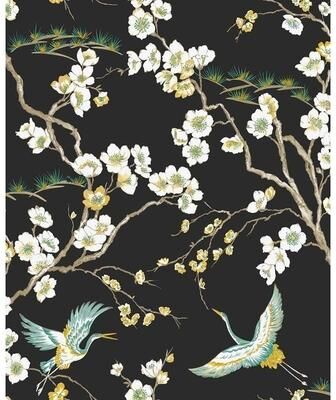
Sublime Japan Black WallpaperSurround yourself with a Japanese inspired wallpaper and feel the calming Zen. The Crane bird is celebrated in Japan as a symbol of longevity, luck & much more. This beautiful trail design will add a touch of serenity in any room.75,00 $*Shipping: 0,00 $Secure redirect to the provider
-
Skip's Garage Japan Flag Outdoor Cornhole Board SetIncludes: (2) Cornhole Boards & (8) Bags. Easily Choose Your Board Size & Type. Bags Will Complement The Board Colors. Easily Message Us Bag Color Requests. Add Accessories like Carry Cases, Hole Lights or Edge Lights.430,49 $*Shipping: 0,00 $Secure redirect to the provider
-
Sublime Japan Blue WallpaperSurround yourself with a Japanese inspired wallpaper and feel the calming Zen. The Crane bird is celebrated in Japan as a symbol of longevity, luck & much more. This beautiful trail design will add a touch of serenity in any room.45,00 $*Shipping: 0,00 $Secure redirect to the provider
-
Skip's Garage Japan Flag Outdoor Cornhole Board SetIncludes: (2) Cornhole Boards & (8) Bags. Easily Choose Your Board Size & Type. Bags Will Complement The Board Colors. Easily Message Us Bag Color Requests. Add Accessories like Carry Cases, Hole Lights or Edge Lights.570,99 $*Shipping: 0,00 $Secure redirect to the provider
-
What is the history of Japan?
Japan's history dates back thousands of years, with the first known human habitation dating back to around 30,000 BC. The country has a rich and complex history, with periods of imperial rule, feudalism, and isolationism. Japan experienced significant cultural and technological advancements during the Edo period (1603-1868) and underwent rapid modernization and industrialization in the late 19th and early 20th centuries. The country also played a significant role in World War II and has since emerged as a major economic and technological powerhouse on the global stage. **
-
When does culture in Japan meet the toilet here?
Culture in Japan meets the toilet in various ways, as the country is known for its advanced and innovative toilet technology. Japanese toilets often feature heated seats, bidet functions, and even music or sound effects to mask any embarrassing noises. This blend of traditional Japanese culture, which values cleanliness and efficiency, with modern technology, is evident in the country's approach to toilet design and hygiene. Additionally, the concept of omotenashi, or hospitality, extends to the toilet experience in Japan, with many public restrooms being well-maintained and equipped with amenities to ensure a comfortable visit for users. **
-
How can the subject of art be integrated into history lessons in relation to Japan?
The subject of art can be integrated into history lessons in relation to Japan by exploring the role of art in reflecting and shaping historical events and cultural developments. Teachers can incorporate discussions on traditional Japanese art forms such as ukiyo-e prints, tea ceremony aesthetics, and samurai armor to provide insights into different periods of Japanese history. Additionally, analyzing how art was used as a tool for propaganda during wartime or as a form of resistance can deepen students' understanding of the socio-political context of Japan's past. By examining art alongside historical events, students can gain a more holistic perspective on Japan's rich cultural heritage and its impact on society. **
-
What was the biggest culture shock you experienced in Japan?
The biggest culture shock I experienced in Japan was the level of politeness and respect in everyday interactions. I was amazed by how courteous and considerate people were, from bowing to each other to the meticulous attention to detail in customer service. It was a stark contrast to the more casual and direct communication style I was used to in my home country. This cultural difference made me appreciate the importance of etiquette and manners in Japanese society. **
Similar search terms for Japan
-
Skip's Garage Japan Flag Outdoor Cornhole Board SetIncludes: (2) Cornhole Boards & (8) Bags. Easily Choose Your Board Size & Type. Bags Will Complement The Board Colors. Easily Message Us Bag Color Requests. Add Accessories like Carry Cases, Hole Lights or Edge Lights.493,49 $*Shipping: 0,00 $Secure redirect to the provider
-
Skip's Garage Japan Flag Outdoor Cornhole Board SetIncludes: (2) Cornhole Boards & (8) Bags. Easily Choose Your Board Size & Type. Bags Will Complement The Board Colors. Easily Message Us Bag Color Requests. Add Accessories like Carry Cases, Hole Lights or Edge Lights.545,99 $*Shipping: 0,00 $Secure redirect to the provider
-
Skip's Garage Japan Flag Outdoor Cornhole Board SetIncludes: (2) Cornhole Boards & (8) Bags. Easily Choose Your Board Size & Type. Bags Will Complement The Board Colors. Easily Message Us Bag Color Requests. Add Accessories like Carry Cases, Hole Lights or Edge Lights.530,49 $*Shipping: 0,00 $Secure redirect to the provider
-
Skip's Garage Japan Flag Outdoor Cornhole Board SetIncludes: (2) Cornhole Boards & (8) Bags. Easily Choose Your Board Size & Type. Bags Will Complement The Board Colors. Easily Message Us Bag Color Requests. Add Accessories like Carry Cases, Hole Lights or Edge Lights.502,99 $*Shipping: 0,00 $Secure redirect to the provider
-
Is the culture of the samurai still present in Japan?
The culture of the samurai is still present in Japan, although it has evolved over time. While the traditional role of the samurai as warriors no longer exists, their influence can still be seen in various aspects of Japanese society, such as the emphasis on discipline, honor, and loyalty. Additionally, many martial arts and traditional Japanese arts and crafts are still practiced and celebrated, keeping the spirit of the samurai alive. Overall, while the samurai culture has adapted to modern times, its influence can still be felt in Japan today. **
-
Who discovered Japan?
Japan was not "discovered" in the traditional sense, as it has been inhabited for thousands of years. However, the first recorded contact between Japan and the outside world was in the 1st century AD, when it was mentioned in Chinese historical texts. The first known European to reach Japan was Portuguese explorer Fernão Mendes Pinto in 1543. So, while Japan was not "discovered" in the same way as a new landmass, it has a long history of contact with other cultures. **
-
Can you please present the final project on Japan in history?
The final project on Japan in history is a comprehensive presentation that covers various aspects of Japan's rich historical background. It includes information on key events, influential figures, cultural developments, and societal changes that have shaped Japan's history. The presentation also explores Japan's interactions with other countries, its impact on the global stage, and its evolution into a modern nation. Overall, the final project provides a thorough examination of Japan's historical journey and its significance in the world. **
-
What are the differences in culture, mentality, and character between China and Japan?
China and Japan have distinct cultural differences despite sharing some similarities due to their historical interactions. Chinese culture is deeply rooted in Confucianism, emphasizing hierarchy, respect for elders, and collectivism. In contrast, Japanese culture is influenced by Shintoism and Buddhism, emphasizing harmony, humility, and group consensus. Additionally, Chinese mentality tends to prioritize long-term planning and perseverance, while Japanese mentality values precision, attention to detail, and efficiency. Overall, China is known for its diversity and vastness, while Japan is known for its homogeneity and attention to tradition. **
* All prices are inclusive of VAT and, if applicable, plus shipping costs. The offer information is based on the details provided by the respective shop and is updated through automated processes. Real-time updates do not occur, so deviations can occur in individual cases. ** Note: Parts of this content were created by AI.