Buy mexicanistas.eu ?
We are moving the project
mexicanistas.eu .
Are you interested in purchasing the domain
mexicanistas.eu ?
domain@kv-gmbh.de · 0541-91531010
Buy mexicanistas.eu ?
Why are impressionist works snapshots?
Impressionist works are often described as "snapshots" because they capture a moment in time with a focus on light, color, and atmosphere. The artists sought to depict the fleeting and transient nature of their subjects, much like a photograph captures a single moment. The use of quick, visible brushstrokes and the emphasis on capturing the essence of a scene rather than its details contribute to the snapshot-like quality of impressionist works. This approach allows the viewer to experience the immediacy and spontaneity of the moment, much like looking at a snapshot. **
What are the characteristics of impressionist paintings?
Impressionist paintings are known for their use of small, visible brush strokes that create a sense of movement and spontaneity. They often depict scenes of everyday life, landscapes, and natural light. Impressionist artists focused on capturing the changing effects of light and color in their work, rather than creating detailed, realistic images. The use of vibrant colors and the emphasis on capturing the essence of a moment rather than precise details are also key characteristics of impressionist paintings. **

Similar search terms for Impressionist
Top-Angebote
Products related to Impressionist:
-
Inspired Finds Ukiyo e Lucky Cat Decorative Book Box Hidden Storage Organizer impressionist style Landscape (field Of Yellow Flowers).Bring a touch of culture and clever functionality into your space with this Ukiyoe decor inspired storage piece. Designed to look like a refined art book, this hidden storage box blends seamlessly into your shelf while quietly keeping your...57,99 $*Shipping: 0,00 $Secure redirect to the provider
-
From the Archives: Black History and Culture Value PackThis brand-new series is rooted in a profound commitment to shedding light on some of the important -- and often lesser-known -- aspects of Black history. From the Archives features landmarks, events, people, and artistic endeavors that have played...26,99 $*Shipping: 0,00 $Secure redirect to the provider
-
Orion The Book of Humans by Adam Rutherford – A Brief History of Culture, Sex, War & EvolutionWHAT MAKES US HUMAN? Waging war? Sex for pleasure? Creating art? Mastery of fire? In this thrilling tour of the animal kingdom, Adam Rutherford tells the story of how we became the unique creatures we are today. Illuminated by the latest scientific discoveries, THE BOOK OF HUMANS is a dazzling compendium of what unequivocally fixes us as animals, and reveals how we are extraordinary among them.4,98 £*Shipping: 1,99 £Secure redirect to the provider
-
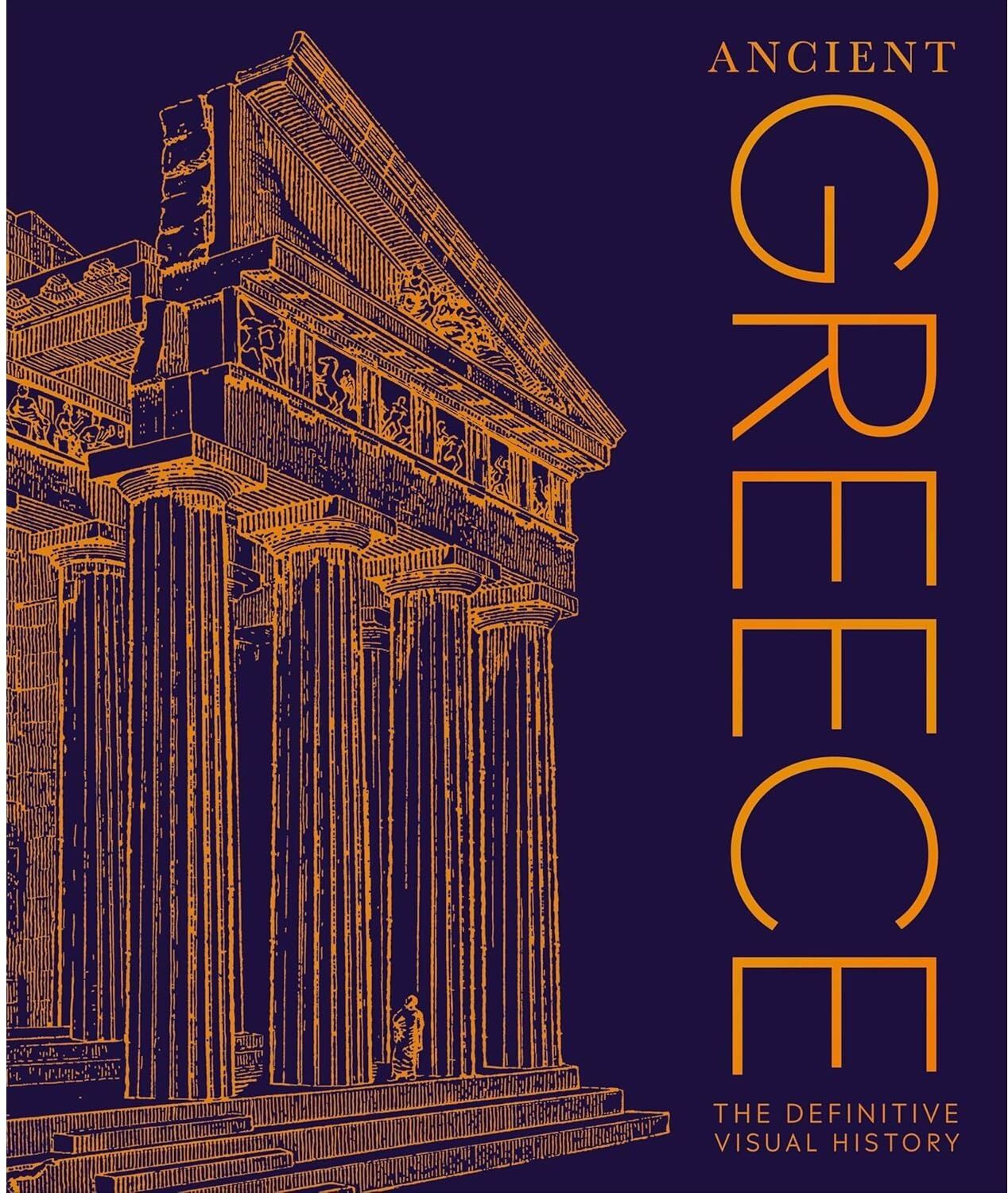
Ancient Greece: The Definitive Visual History (DK Classic History)Embark upon a fascinating journey through ancient Greece – from its rise and fall to its lasting legacy throughout the Western world. Spanning more than 3,000 years, Ancient Greece explores the tumultuous history of this glorious empire in vivid detail – from its Minoan and Mycenaean origins to the apogee of the warring city-states of Athens and Sparta, and from the death of its most charismatic leader, Alexander the Great, to its ultimate defeat by Rome. Sumptuous photography and authoritative, engaging text cover every facet of life in ancient Greece, from art, entertainment, and schools of thought to politics, medicine, and war, while the myths and religious beliefs of the ancient culture are explored and explained in depth. Greece’s military and political power shines through in fascinating maps of its legendary battles. Buried palaces and the Athenian Agora where Plato and Socrates discussed philosophy are brought back to life with stunning CGI artworks. And the stories of everyone from ordinary citizens to lawmakers and the first Olympic athletes are retold through eyewitness accounts and original artefacts.19,99 £*Shipping: 2,99 £Secure redirect to the provider



-
What are some suggestions for poems in the Impressionist style?
Some suggestions for poems in the Impressionist style could include focusing on sensory experiences such as sight, sound, and touch, using vivid and descriptive language to create a sense of atmosphere and mood, and capturing fleeting moments or emotions. Poems could also experiment with structure and form, using enjambment and free verse to create a sense of spontaneity and movement. Additionally, incorporating themes of nature, everyday life, and the passage of time can help to evoke the impressionist aesthetic in poetry. **
-
What are the characteristics of a poem from the Impressionist era?
Poems from the Impressionist era are characterized by their focus on sensory experiences and emotions, often depicting fleeting moments and impressions. They often use vivid imagery and descriptive language to evoke a sense of atmosphere and mood. These poems also tend to be more subjective and introspective, reflecting the inner thoughts and feelings of the poet. Additionally, they may experiment with form and structure, breaking away from traditional poetic conventions. **
-
What were the most significant features of impressionist art and what does it mean that Impressionism represents the art of sensory impression?
The most significant features of impressionist art include the use of visible brushstrokes, emphasis on light and its changing qualities, and the depiction of everyday scenes and landscapes. Impressionist artists sought to capture the fleeting moment and the sensory experience of a scene, rather than focusing on precise details. This approach represents the art of sensory impression because it prioritizes the artist's subjective perception and emotional response to a subject, rather than aiming for a literal or realistic representation. Impressionist art aims to evoke a feeling or mood through the use of color, light, and texture, inviting the viewer to experience the scene through the artist's eyes. **
-
What is the notation of music in the Romantic and Impressionist periods?
In the Romantic period, music notation remained largely the same as in previous periods, with the use of staff notation, clefs, key signatures, and time signatures. However, composers in the Romantic period began to use more expressive markings and directions in their scores, such as dynamic markings, tempo indications, and detailed performance instructions, to convey their musical intentions more clearly. In the Impressionist period, composers continued to use traditional music notation, but they also began to experiment with new ways of notating music to capture the ethereal and atmospheric qualities of their compositions. This included the use of non-traditional scales, unconventional harmonies, and more fluid and flexible interpretations of tempo and rhythm, all of which were reflected in their notation. Additionally, composers in the Impressionist period often used descriptive titles and poetic imagery to convey the mood and character of their music. **

Was the work Printemps by Claude Debussy rightly compared to impressionist painting?
Yes, the work Printemps by Claude Debussy was rightly compared to impressionist painting. Just like impressionist painters sought to capture the fleeting moments and sensations of a scene, Debussy's music in Printemps aimed to evoke the atmosphere and emotions of the spring season. The use of delicate, shimmering textures, subtle harmonies, and evocative melodies in the music mirrors the techniques used by impressionist painters to create a sense of light, color, and movement in their works. Both the painting and the music share a focus on capturing the essence of a moment rather than a precise representation, making the comparison apt. **
What is the most famous painting by Claude Monet from the Impressionist period?
The most famous painting by Claude Monet from the Impressionist period is "Impression, Sunrise." This painting, created in 1872, is considered the work that gave the Impressionist movement its name. It depicts the port of Le Havre in France, capturing the play of light and atmosphere on the water. "Impression, Sunrise" is now housed in the Musée Marmottan Monet in Paris and is a quintessential example of Monet's innovative approach to painting. **
Top-Angebote
Products related to Impressionist:
-
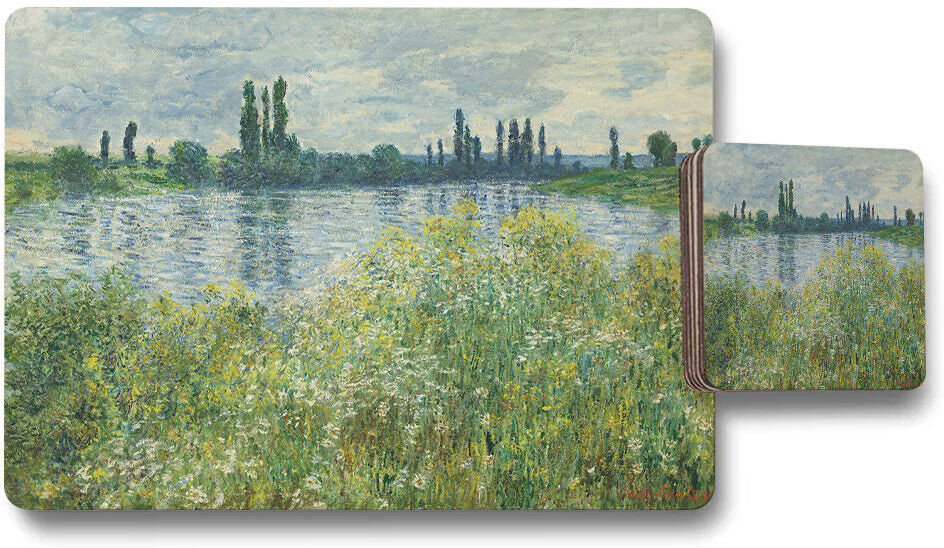
East Urban Home Impressionist Lake Landscape Placemat And Coaster Set Blue 24cm W X 24cm LImmerse your table in the tranquil hues of an Impressionist lake scene with the Impressionist Lake Landscape Placemat And Coaster Set. This decorative pairing captures the soft, dappled light and lush greenery of a lakeside meadow, bringing artful calm to East Urban Home63,99 £*Shipping: 0,00 £Secure redirect to the provider
-
Inspired Finds Ukiyo e Lucky Cat Decorative Book Box Hidden Storage Organizer impressionist style Landscape (field Of Yellow Flowers).Bring a touch of culture and clever functionality into your space with this Ukiyoe decor inspired storage piece. Designed to look like a refined art book, this hidden storage box blends seamlessly into your shelf while quietly keeping your...57,99 $*Shipping: 0,00 $Secure redirect to the provider
-
From the Archives: Black History and Culture Value PackThis brand-new series is rooted in a profound commitment to shedding light on some of the important -- and often lesser-known -- aspects of Black history. From the Archives features landmarks, events, people, and artistic endeavors that have played...26,99 $*Shipping: 0,00 $Secure redirect to the provider
-
Why are impressionist works snapshots?
Impressionist works are often described as "snapshots" because they capture a moment in time with a focus on light, color, and atmosphere. The artists sought to depict the fleeting and transient nature of their subjects, much like a photograph captures a single moment. The use of quick, visible brushstrokes and the emphasis on capturing the essence of a scene rather than its details contribute to the snapshot-like quality of impressionist works. This approach allows the viewer to experience the immediacy and spontaneity of the moment, much like looking at a snapshot. **
-
What are the characteristics of impressionist paintings?
Impressionist paintings are known for their use of small, visible brush strokes that create a sense of movement and spontaneity. They often depict scenes of everyday life, landscapes, and natural light. Impressionist artists focused on capturing the changing effects of light and color in their work, rather than creating detailed, realistic images. The use of vibrant colors and the emphasis on capturing the essence of a moment rather than precise details are also key characteristics of impressionist paintings. **
-
What are some suggestions for poems in the Impressionist style?
Some suggestions for poems in the Impressionist style could include focusing on sensory experiences such as sight, sound, and touch, using vivid and descriptive language to create a sense of atmosphere and mood, and capturing fleeting moments or emotions. Poems could also experiment with structure and form, using enjambment and free verse to create a sense of spontaneity and movement. Additionally, incorporating themes of nature, everyday life, and the passage of time can help to evoke the impressionist aesthetic in poetry. **
-
What are the characteristics of a poem from the Impressionist era?
Poems from the Impressionist era are characterized by their focus on sensory experiences and emotions, often depicting fleeting moments and impressions. They often use vivid imagery and descriptive language to evoke a sense of atmosphere and mood. These poems also tend to be more subjective and introspective, reflecting the inner thoughts and feelings of the poet. Additionally, they may experiment with form and structure, breaking away from traditional poetic conventions. **
Similar search terms for Impressionist
-
Orion The Book of Humans by Adam Rutherford – A Brief History of Culture, Sex, War & EvolutionWHAT MAKES US HUMAN? Waging war? Sex for pleasure? Creating art? Mastery of fire? In this thrilling tour of the animal kingdom, Adam Rutherford tells the story of how we became the unique creatures we are today. Illuminated by the latest scientific discoveries, THE BOOK OF HUMANS is a dazzling compendium of what unequivocally fixes us as animals, and reveals how we are extraordinary among them.4,98 £*Shipping: 1,99 £Secure redirect to the provider
-
Ancient Greece: The Definitive Visual History (DK Classic History)Embark upon a fascinating journey through ancient Greece – from its rise and fall to its lasting legacy throughout the Western world. Spanning more than 3,000 years, Ancient Greece explores the tumultuous history of this glorious empire in vivid detail – from its Minoan and Mycenaean origins to the apogee of the warring city-states of Athens and Sparta, and from the death of its most charismatic leader, Alexander the Great, to its ultimate defeat by Rome. Sumptuous photography and authoritative, engaging text cover every facet of life in ancient Greece, from art, entertainment, and schools of thought to politics, medicine, and war, while the myths and religious beliefs of the ancient culture are explored and explained in depth. Greece’s military and political power shines through in fascinating maps of its legendary battles. Buried palaces and the Athenian Agora where Plato and Socrates discussed philosophy are brought back to life with stunning CGI artworks. And the stories of everyone from ordinary citizens to lawmakers and the first Olympic athletes are retold through eyewitness accounts and original artefacts.19,99 £*Shipping: 2,99 £Secure redirect to the provider
-
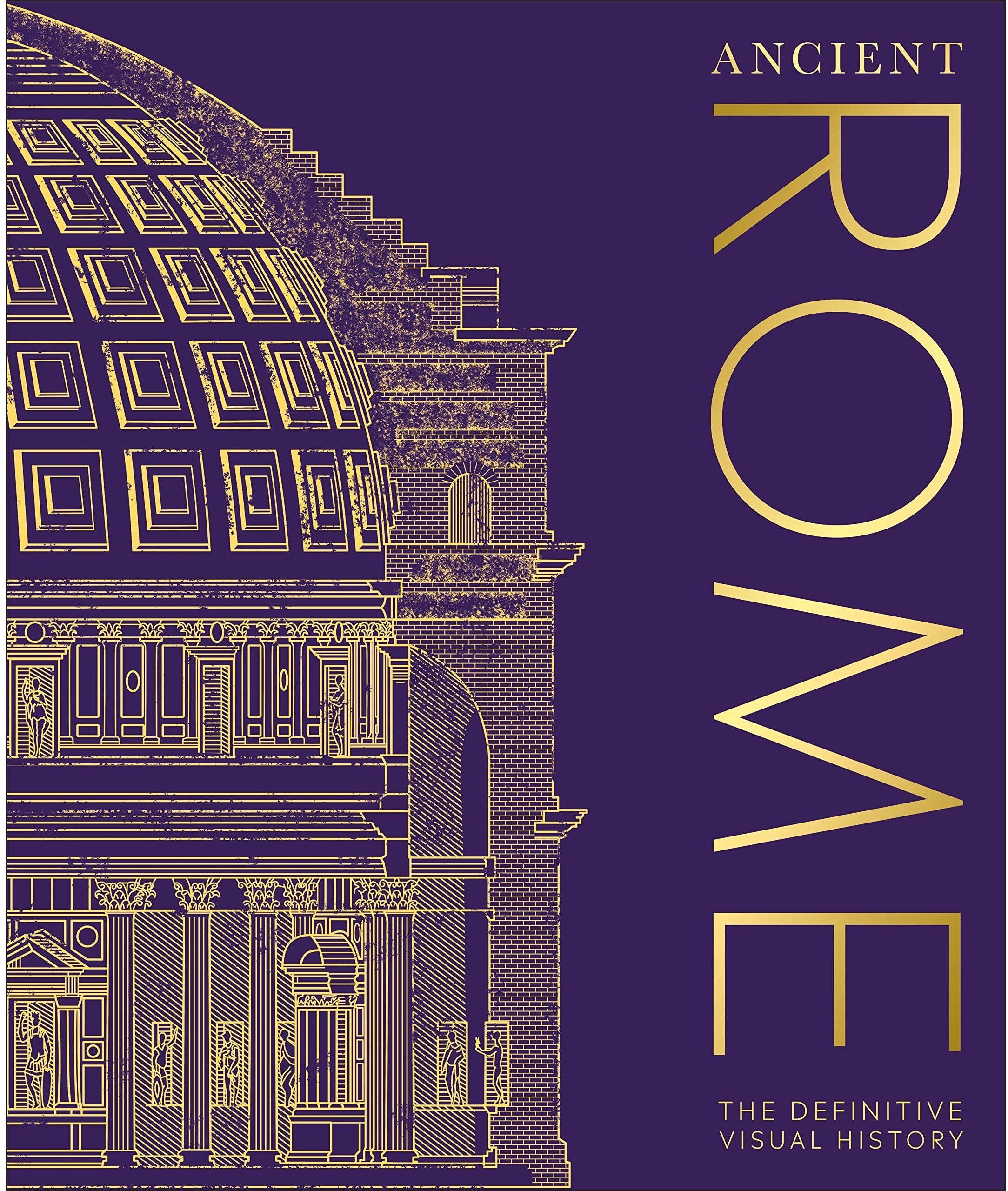
Ancient Rome: The Definitive Visual History (DK Classic History)Immerse yourself in the history of ancient Rome - from its origins as a small settlement on the Palatine Hill to its peak as an empire reigning over 90 million people, and its tumultuous decline. Covering more than 1,000 years of history, and an empire that stretched from Scotland to Syria, Ancient Rome reveals in vivid detail all of the key political, cultural, and military events that shaped the Roman Empire and explores what it was like to live in a society that laid the foundations for many aspects of the modern world. Sumptuous photography and engaging text cover every facet of life in ancient Rome, from art, entertainment, and fashion to engineering, medicine, and war, while detailed maps trace the rise of the mighty Roman Empire. Step back in time in the pages of this history book to discover:- Themed spreads explore developments in areas such as sculpture, religion, warfare, and engineering. - Includes tales of the most dramatic events and battles in Roman history, as well as profiles of influential historical and cultural figures. - An optional 80pp reference section includes sections on rulers, gods and goddesses, and key sites. Featuring Rome's greatest emperors, from Augustus to Constantine, as well as profiles of generals, historians, and influential women, Ancient Rome also delves into the fascinating stories of gladiators, bakers, and enslaved people. The most iconic buildings of Rome are brought to life with specially commissioned CGI recreations, while the stories of ordinary citizens, soldiers, and persecuted groups from across the empire are told with the help of illustrations, artefacts, and eyewitness accounts. Beautifully illustrated and unparalleled in scope, Ancient Rome is the perfect book for anyone who is interested in this defining period of world history.19,95 £*Shipping: 2,99 £Secure redirect to the provider
-
Titan Assassins Creed - The Complete Visual History: The Definitive Visual HistoryThis stunning book explores the rich mythology of Assassins Creed®, featuring the art and history of the series from the first groundbreaking game through the graphic novels to the DLCs. Highlighting the lush and vibrant art that has become a hallmark of the series, this luxury coffee-table book brings the games famous historical locations and figures to life and explores the evolution of each iconic Assassin and Templar.15,99 £*Shipping: 2,99 £Secure redirect to the provider
-
What were the most significant features of impressionist art and what does it mean that Impressionism represents the art of sensory impression?
The most significant features of impressionist art include the use of visible brushstrokes, emphasis on light and its changing qualities, and the depiction of everyday scenes and landscapes. Impressionist artists sought to capture the fleeting moment and the sensory experience of a scene, rather than focusing on precise details. This approach represents the art of sensory impression because it prioritizes the artist's subjective perception and emotional response to a subject, rather than aiming for a literal or realistic representation. Impressionist art aims to evoke a feeling or mood through the use of color, light, and texture, inviting the viewer to experience the scene through the artist's eyes. **
-
What is the notation of music in the Romantic and Impressionist periods?
In the Romantic period, music notation remained largely the same as in previous periods, with the use of staff notation, clefs, key signatures, and time signatures. However, composers in the Romantic period began to use more expressive markings and directions in their scores, such as dynamic markings, tempo indications, and detailed performance instructions, to convey their musical intentions more clearly. In the Impressionist period, composers continued to use traditional music notation, but they also began to experiment with new ways of notating music to capture the ethereal and atmospheric qualities of their compositions. This included the use of non-traditional scales, unconventional harmonies, and more fluid and flexible interpretations of tempo and rhythm, all of which were reflected in their notation. Additionally, composers in the Impressionist period often used descriptive titles and poetic imagery to convey the mood and character of their music. **
-
Was the work Printemps by Claude Debussy rightly compared to impressionist painting?
Yes, the work Printemps by Claude Debussy was rightly compared to impressionist painting. Just like impressionist painters sought to capture the fleeting moments and sensations of a scene, Debussy's music in Printemps aimed to evoke the atmosphere and emotions of the spring season. The use of delicate, shimmering textures, subtle harmonies, and evocative melodies in the music mirrors the techniques used by impressionist painters to create a sense of light, color, and movement in their works. Both the painting and the music share a focus on capturing the essence of a moment rather than a precise representation, making the comparison apt. **
-
What is the most famous painting by Claude Monet from the Impressionist period?
The most famous painting by Claude Monet from the Impressionist period is "Impression, Sunrise." This painting, created in 1872, is considered the work that gave the Impressionist movement its name. It depicts the port of Le Havre in France, capturing the play of light and atmosphere on the water. "Impression, Sunrise" is now housed in the Musée Marmottan Monet in Paris and is a quintessential example of Monet's innovative approach to painting. **
* All prices are inclusive of VAT and, if applicable, plus shipping costs. The offer information is based on the details provided by the respective shop and is updated through automated processes. Real-time updates do not occur, so deviations can occur in individual cases. ** Note: Parts of this content were created by AI.