Buy mexicanistas.eu ?
We are moving the project
mexicanistas.eu .
Are you interested in purchasing the domain
mexicanistas.eu ?
domain@kv-gmbh.de · 0541-91531010
Buy mexicanistas.eu ?
What is the Ebert-Groener Pact?
The Ebert-Groener Pact was a secret agreement made in November 1918 between German President Friedrich Ebert and General Wilhelm Groener, the head of the German army. The pact aimed to ensure the cooperation of the military with the new Weimar government in exchange for the government's support of the army's authority and structure. This agreement helped to prevent a potential military coup and secure the stability of the new German government during a period of political upheaval and revolution. **
What is the Dolchstoßlegende by Friedrich Ebert?
The Dolchstoßlegende, or "stab-in-the-back myth," was a conspiracy theory popularized by German political and military leaders after World War I. It claimed that Germany's defeat in the war was not due to military failure, but rather to betrayal by civilians, socialists, and Jews on the home front. Friedrich Ebert, the first President of the Weimar Republic, was accused of being part of this alleged betrayal. The myth was used to shift blame away from the military and aristocracy, and to undermine the legitimacy of the new democratic government. **


Similar search terms for Ebert
Top-Angebote
Products related to Ebert:
-
Zaffre/Pan Lily's Promise by Lily Ebert and The Tattooist of Auschwitz Series by Heather Morris 4 Books SetLily's Promise by Lily Ebert and The Tattooist of Auschwitz Series by Heather Morris 4 Books Set Lily's Promise: How I Survived Auschwitz and Found the Strength to Live by Lily Ebert When Holocaust survivor Lily Ebert was liberated in 1945, a Jewish-American soldier gave her a banknote on which he’d written ‘Good luck and happiness’. Many decades later her great-grandson, Dov, decided to use social media to track down the family of the GI – and 96-year-old Lily found herself making headlines round the world. Lily had promised herself that if she survived Auschwitz, she would tell everyone the truth about the camp. Now was her chance. In Lily’s Promise she writes movingly about her happy childhood in Hungary, the death of her mother and two youngest siblings on their arrival at Auschwitz in 1944 and her determination to keep her two other sisters safe. She describes the inhumanity of the camp and the small acts of defiance that gave her strength. From there she and her sisters became slave labour in a munitions factory, and then faced a death march that they barely survived. Three Sisters by Heather Morris When they are little girls, Cibi, Magda and Livia make a promise to their father - that they will stay together, no matter what. Years later, at just 15, Livia is ordered to Auschwitz by the Nazis. Cibi, only 19 herself, remembers their promise and follows Livia, determined to protect her sister, or die with her. Together, they fight to survive through unimaginable cruelty and hardship. The Tattooist of Auschwitz by Heather Morris In 1942, Lale Sokolov arrived in Auschwitz-Birkenau. He was given the job of tattooing the prisoners marked for survival - scratching numbers into his fellow victims' arms in indelible ink to create what would become one of the most potent symbols of the Holocaust. Waiting in line to be tattooed, terrified and shaking, was a young girl. For Lale - a dandy, a jack-the-lad, a bit of a chancer - it was love at first sight. And he was determined not only to survive himself, but to ensure this woman, Gita, did, too. Cilka's Journey by Heather Morris In 1942 Cilka Klein is just sixteen years old when she is taken to Auschwitz-Birkenau Concentration Camp. The Commandant at Birkenau, Schwarzhuber, notices her long beautiful hair, and forces her separation from the other women prisoners. Cilka learns quickly that power, even unwillingly given, equals survival. After liberation, Cilka is charged as a collaborator by the Russians and sent to a desolate, brutal prison camp in Siberia known as Vorkuta, inside the Arctic Circle.12,99 £*Shipping: 2,99 £Secure redirect to the provider
-
From the Archives: Black History and Culture Value PackThis brand-new series is rooted in a profound commitment to shedding light on some of the important -- and often lesser-known -- aspects of Black history. From the Archives features landmarks, events, people, and artistic endeavors that have played...26,99 $*Shipping: 0,00 $Secure redirect to the provider
-
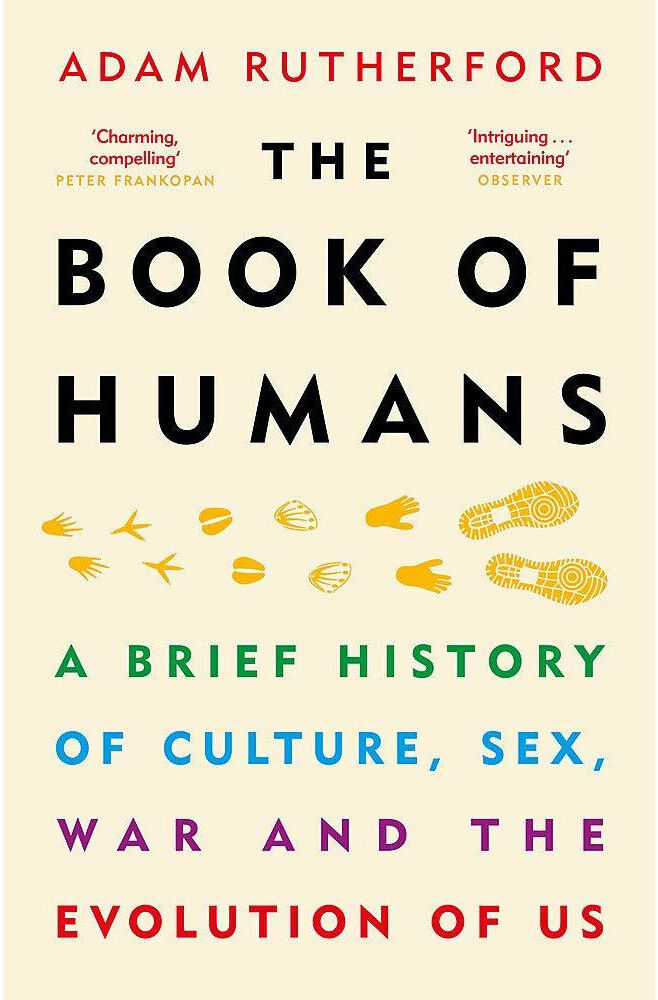
Orion The Book of Humans by Adam Rutherford – A Brief History of Culture, Sex, War & EvolutionWHAT MAKES US HUMAN? Waging war? Sex for pleasure? Creating art? Mastery of fire? In this thrilling tour of the animal kingdom, Adam Rutherford tells the story of how we became the unique creatures we are today. Illuminated by the latest scientific discoveries, THE BOOK OF HUMANS is a dazzling compendium of what unequivocally fixes us as animals, and reveals how we are extraordinary among them.4,98 £*Shipping: 1,99 £Secure redirect to the provider
-
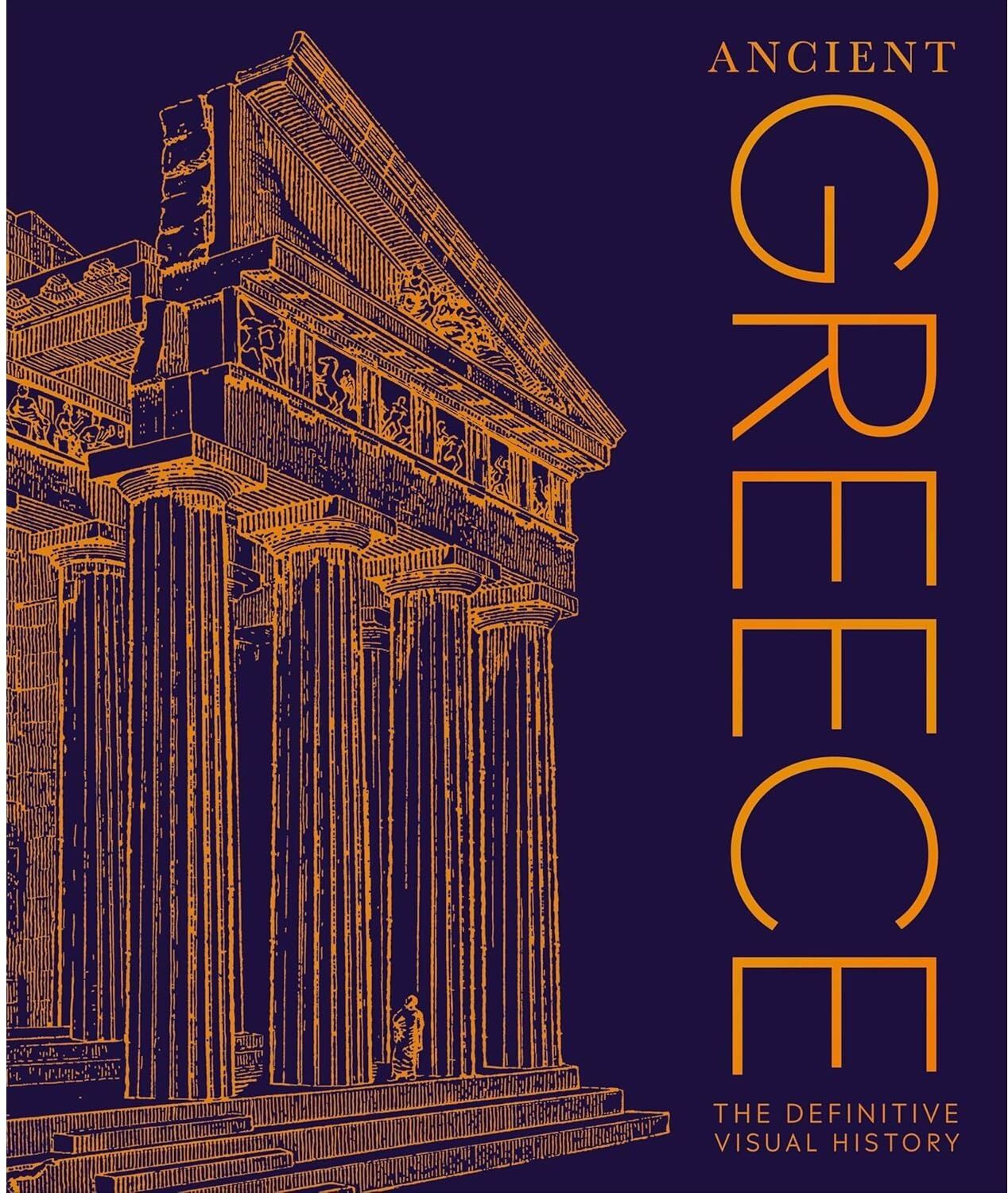
Ancient Greece: The Definitive Visual History (DK Classic History)Embark upon a fascinating journey through ancient Greece – from its rise and fall to its lasting legacy throughout the Western world. Spanning more than 3,000 years, Ancient Greece explores the tumultuous history of this glorious empire in vivid detail – from its Minoan and Mycenaean origins to the apogee of the warring city-states of Athens and Sparta, and from the death of its most charismatic leader, Alexander the Great, to its ultimate defeat by Rome. Sumptuous photography and authoritative, engaging text cover every facet of life in ancient Greece, from art, entertainment, and schools of thought to politics, medicine, and war, while the myths and religious beliefs of the ancient culture are explored and explained in depth. Greece’s military and political power shines through in fascinating maps of its legendary battles. Buried palaces and the Athenian Agora where Plato and Socrates discussed philosophy are brought back to life with stunning CGI artworks. And the stories of everyone from ordinary citizens to lawmakers and the first Olympic athletes are retold through eyewitness accounts and original artefacts.19,99 £*Shipping: 2,99 £Secure redirect to the provider


-
Who were Max von Baden and Friedrich Ebert?
Max von Baden was a German politician who served as Chancellor of Germany from October to November 1918. He played a key role in the final days of World War I and was instrumental in the abdication of Kaiser Wilhelm II. Friedrich Ebert was a German politician and leader of the Social Democratic Party of Germany. He became the first President of the Weimar Republic in 1919 and played a crucial role in the establishment of the new democratic government in Germany after World War I. **
-
How did Friedrich Ebert end the civil war?
Friedrich Ebert, the first President of the Weimar Republic, ended the civil war in Germany by using a combination of military force and political negotiation. He relied on the support of the military and the Freikorps, a paramilitary organization, to suppress the communist uprising and regain control of key cities. At the same time, Ebert also engaged in negotiations with the leaders of the opposing factions to reach a political settlement. Through a combination of military action and political compromise, Ebert was able to bring an end to the civil war and establish the Weimar Republic as the new government of Germany. **
-
What is the caricature of President Friedrich Ebert from 1919?
The caricature of President Friedrich Ebert from 1919 depicts him as a weak and indecisive leader, representing the challenges and criticisms he faced during his presidency. The caricature often portrays him as being manipulated by more powerful figures, such as the military or big business, highlighting the perception of Ebert as being controlled by outside forces. Additionally, the caricature may emphasize Ebert's role in the controversial decision to use military force to suppress socialist uprisings, further contributing to his negative portrayal. **
-
Why was Friedrich Ebert referred to as a bankruptcy administrator during the 1918 revolution?
Friedrich Ebert was referred to as a bankruptcy administrator during the 1918 revolution because he was the leader of the Social Democratic Party of Germany and became the Chancellor of Germany during a period of political and social turmoil. As Chancellor, Ebert had to navigate the country through the aftermath of World War I, economic crisis, and the collapse of the German monarchy. He was tasked with managing the transition from imperial rule to a democratic republic, which was a challenging and tumultuous process, hence the comparison to a bankruptcy administrator tasked with restructuring and stabilizing a failing entity. **
Why was Friedrich Ebert referred to as a bankruptcy trustee during the 1918 revolution?
Friedrich Ebert was referred to as a bankruptcy trustee during the 1918 revolution because he was seen as the leader of the Social Democratic Party in Germany at the time, and he played a key role in negotiating the abdication of Kaiser Wilhelm II. As the head of the provisional government, Ebert was tasked with managing the transition of power from the monarchy to a democratic system, essentially overseeing the "bankruptcy" of the old regime and the establishment of a new political order in Germany. This comparison highlighted his role in navigating the tumultuous period of political and social upheaval during the revolution. **
Can you help me with the art, culture, and history exam?
Of course! I can help you with the art, culture, and history exam by providing information, explanations, and answering any specific questions you may have. I can also assist in reviewing key concepts, important figures, and significant events related to these subjects. Feel free to ask me anything you need help with, and I'll do my best to assist you in preparing for your exam. **
Top-Angebote
Products related to Ebert:
-
Pan Lily’s Promise by Lily Ebert – Auschwitz Survival Memoir & Inspiring True StoryThe incredibly moving and powerful memoir of an Auschwitz survivor who made headlines around the world. This updated edition includes Lily being awarded an MBE, reaching her hundredth birthday, and the discovery of a long-lost book belonging to her murdered brother – the only tangible link to him that survived the Holocaust. When Holocaust survivor Lily Ebert was liberated in 1945, a Jewish-American soldier gave her a banknote on which he’d written ‘Good luck and happiness’. Many decades later her great-grandson, Dov, decided to use social media to track down the family of the GI – and 96-year-old Lily found herself making headlines round the world. Lily had promised herself that if she survived Auschwitz, she would tell everyone the truth about the camp. Now was her chance. In Lily’s Promise she writes movingly about her happy childhood in Hungary, the death of her mother and two youngest siblings on their arrival at Auschwitz in 1944 and her determination to keep her two other sisters safe. She describes the inhumanity of the camp and the small acts of defiance that gave her strength. From there she and her sisters became slave labour in a munitions factory, and then faced a death march that they barely survived. Lily lost so much, but she built a new life for herself and her family, first in Israel and then in London. It wasn’t easy; the pain of her past was always with her, but this extraordinary woman found the strength to speak out in the hope that such evil would never happen again.4,99 £*Shipping: 1,99 £Secure redirect to the provider
-
Penguin/Pan Lily's Promise by Lily Ebert and Auschwitz by Laurence Rees 2 Books Collection SetLily's Promise by Lily Ebert and Auschwitz by Laurence Rees 2 Books Collection Set Lily's Promise: How I Survived Auschwitz and Found the Strength to Live by Lily Ebert When Holocaust survivor Lily Ebert was liberated in 1945, a Jewish-American soldier gave her a banknote on which he’d written ‘Good luck and happiness’. Many decades later her great-grandson, Dov, decided to use social media to track down the family of the GI – and 96-year-old Lily found herself making headlines round the world. Lily had promised herself that if she survived Auschwitz, she would tell everyone the truth about the camp. Now was her chance. In Lily’s Promise she writes movingly about her happy childhood in Hungary, the death of her mother and two youngest siblings on their arrival at Auschwitz in 1944 and her determination to keep her two other sisters safe. She describes the inhumanity of the camp and the small acts of defiance that gave her strength. From there she and her sisters became slave labour in a munitions factory, and then faced a death march that they barely survived. Auschwitz: The Nazis and The 'Final Solution' by Laurence Rees In this classic book, highly acclaimed author and broadcaster Laurence Rees tells the definitive history of the most notorious Nazi institution of them all. We discover how Auschwitz evolved from a concentration camp for Polish political prisoners into the site of the largest mass murder in history - part death camp, part concentration camp, where around a million Jews were killed. Auschwitz examines the mentality and motivations of the key Nazi decision makers, and perpetrators of appalling crimes speak here for the first time about their actions. Drawing on Rees's landmark documentary and material from the Russian archives, which challenged many previously accepted arguments, this book reveals significant and disturbing facts - from the operation of a brothel to the corruption that was rife throughout the camp.9,99 £*Shipping: 2,99 £Secure redirect to the provider
-
Zaffre/Pan Lily's Promise by Lily Ebert and The Tattooist of Auschwitz Series by Heather Morris 4 Books SetLily's Promise by Lily Ebert and The Tattooist of Auschwitz Series by Heather Morris 4 Books Set Lily's Promise: How I Survived Auschwitz and Found the Strength to Live by Lily Ebert When Holocaust survivor Lily Ebert was liberated in 1945, a Jewish-American soldier gave her a banknote on which he’d written ‘Good luck and happiness’. Many decades later her great-grandson, Dov, decided to use social media to track down the family of the GI – and 96-year-old Lily found herself making headlines round the world. Lily had promised herself that if she survived Auschwitz, she would tell everyone the truth about the camp. Now was her chance. In Lily’s Promise she writes movingly about her happy childhood in Hungary, the death of her mother and two youngest siblings on their arrival at Auschwitz in 1944 and her determination to keep her two other sisters safe. She describes the inhumanity of the camp and the small acts of defiance that gave her strength. From there she and her sisters became slave labour in a munitions factory, and then faced a death march that they barely survived. Three Sisters by Heather Morris When they are little girls, Cibi, Magda and Livia make a promise to their father - that they will stay together, no matter what. Years later, at just 15, Livia is ordered to Auschwitz by the Nazis. Cibi, only 19 herself, remembers their promise and follows Livia, determined to protect her sister, or die with her. Together, they fight to survive through unimaginable cruelty and hardship. The Tattooist of Auschwitz by Heather Morris In 1942, Lale Sokolov arrived in Auschwitz-Birkenau. He was given the job of tattooing the prisoners marked for survival - scratching numbers into his fellow victims' arms in indelible ink to create what would become one of the most potent symbols of the Holocaust. Waiting in line to be tattooed, terrified and shaking, was a young girl. For Lale - a dandy, a jack-the-lad, a bit of a chancer - it was love at first sight. And he was determined not only to survive himself, but to ensure this woman, Gita, did, too. Cilka's Journey by Heather Morris In 1942 Cilka Klein is just sixteen years old when she is taken to Auschwitz-Birkenau Concentration Camp. The Commandant at Birkenau, Schwarzhuber, notices her long beautiful hair, and forces her separation from the other women prisoners. Cilka learns quickly that power, even unwillingly given, equals survival. After liberation, Cilka is charged as a collaborator by the Russians and sent to a desolate, brutal prison camp in Siberia known as Vorkuta, inside the Arctic Circle.12,99 £*Shipping: 2,99 £Secure redirect to the provider
-
From the Archives: Black History and Culture Value PackThis brand-new series is rooted in a profound commitment to shedding light on some of the important -- and often lesser-known -- aspects of Black history. From the Archives features landmarks, events, people, and artistic endeavors that have played...26,99 $*Shipping: 0,00 $Secure redirect to the provider
-
What is the Ebert-Groener Pact?
The Ebert-Groener Pact was a secret agreement made in November 1918 between German President Friedrich Ebert and General Wilhelm Groener, the head of the German army. The pact aimed to ensure the cooperation of the military with the new Weimar government in exchange for the government's support of the army's authority and structure. This agreement helped to prevent a potential military coup and secure the stability of the new German government during a period of political upheaval and revolution. **
-
What is the Dolchstoßlegende by Friedrich Ebert?
The Dolchstoßlegende, or "stab-in-the-back myth," was a conspiracy theory popularized by German political and military leaders after World War I. It claimed that Germany's defeat in the war was not due to military failure, but rather to betrayal by civilians, socialists, and Jews on the home front. Friedrich Ebert, the first President of the Weimar Republic, was accused of being part of this alleged betrayal. The myth was used to shift blame away from the military and aristocracy, and to undermine the legitimacy of the new democratic government. **
-
Who were Max von Baden and Friedrich Ebert?
Max von Baden was a German politician who served as Chancellor of Germany from October to November 1918. He played a key role in the final days of World War I and was instrumental in the abdication of Kaiser Wilhelm II. Friedrich Ebert was a German politician and leader of the Social Democratic Party of Germany. He became the first President of the Weimar Republic in 1919 and played a crucial role in the establishment of the new democratic government in Germany after World War I. **
-
How did Friedrich Ebert end the civil war?
Friedrich Ebert, the first President of the Weimar Republic, ended the civil war in Germany by using a combination of military force and political negotiation. He relied on the support of the military and the Freikorps, a paramilitary organization, to suppress the communist uprising and regain control of key cities. At the same time, Ebert also engaged in negotiations with the leaders of the opposing factions to reach a political settlement. Through a combination of military action and political compromise, Ebert was able to bring an end to the civil war and establish the Weimar Republic as the new government of Germany. **
Similar search terms for Ebert
-
Orion The Book of Humans by Adam Rutherford – A Brief History of Culture, Sex, War & EvolutionWHAT MAKES US HUMAN? Waging war? Sex for pleasure? Creating art? Mastery of fire? In this thrilling tour of the animal kingdom, Adam Rutherford tells the story of how we became the unique creatures we are today. Illuminated by the latest scientific discoveries, THE BOOK OF HUMANS is a dazzling compendium of what unequivocally fixes us as animals, and reveals how we are extraordinary among them.4,98 £*Shipping: 1,99 £Secure redirect to the provider
-
Ancient Greece: The Definitive Visual History (DK Classic History)Embark upon a fascinating journey through ancient Greece – from its rise and fall to its lasting legacy throughout the Western world. Spanning more than 3,000 years, Ancient Greece explores the tumultuous history of this glorious empire in vivid detail – from its Minoan and Mycenaean origins to the apogee of the warring city-states of Athens and Sparta, and from the death of its most charismatic leader, Alexander the Great, to its ultimate defeat by Rome. Sumptuous photography and authoritative, engaging text cover every facet of life in ancient Greece, from art, entertainment, and schools of thought to politics, medicine, and war, while the myths and religious beliefs of the ancient culture are explored and explained in depth. Greece’s military and political power shines through in fascinating maps of its legendary battles. Buried palaces and the Athenian Agora where Plato and Socrates discussed philosophy are brought back to life with stunning CGI artworks. And the stories of everyone from ordinary citizens to lawmakers and the first Olympic athletes are retold through eyewitness accounts and original artefacts.19,99 £*Shipping: 2,99 £Secure redirect to the provider
-
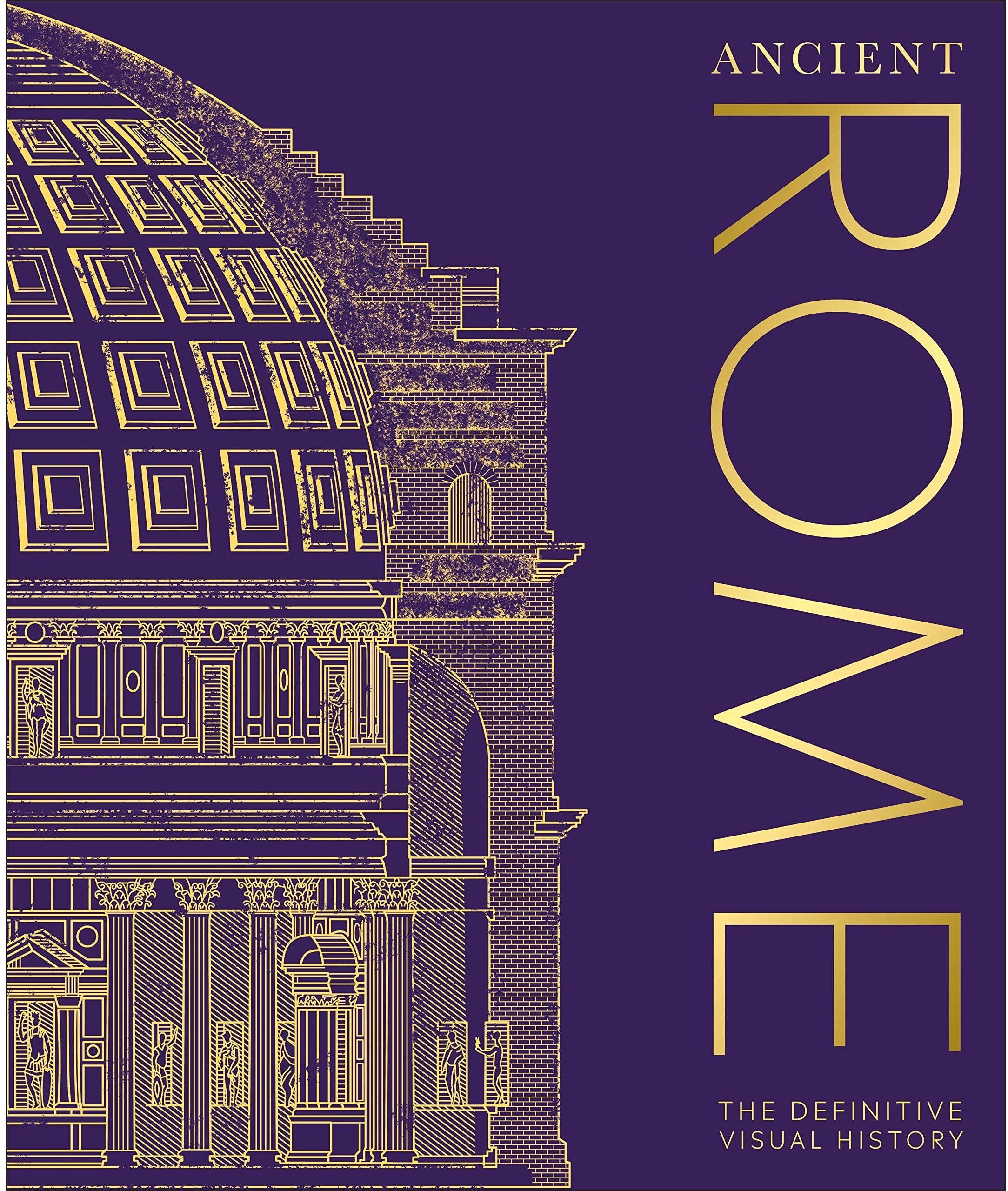
Ancient Rome: The Definitive Visual History (DK Classic History)Immerse yourself in the history of ancient Rome - from its origins as a small settlement on the Palatine Hill to its peak as an empire reigning over 90 million people, and its tumultuous decline. Covering more than 1,000 years of history, and an empire that stretched from Scotland to Syria, Ancient Rome reveals in vivid detail all of the key political, cultural, and military events that shaped the Roman Empire and explores what it was like to live in a society that laid the foundations for many aspects of the modern world. Sumptuous photography and engaging text cover every facet of life in ancient Rome, from art, entertainment, and fashion to engineering, medicine, and war, while detailed maps trace the rise of the mighty Roman Empire. Step back in time in the pages of this history book to discover:- Themed spreads explore developments in areas such as sculpture, religion, warfare, and engineering. - Includes tales of the most dramatic events and battles in Roman history, as well as profiles of influential historical and cultural figures. - An optional 80pp reference section includes sections on rulers, gods and goddesses, and key sites. Featuring Rome's greatest emperors, from Augustus to Constantine, as well as profiles of generals, historians, and influential women, Ancient Rome also delves into the fascinating stories of gladiators, bakers, and enslaved people. The most iconic buildings of Rome are brought to life with specially commissioned CGI recreations, while the stories of ordinary citizens, soldiers, and persecuted groups from across the empire are told with the help of illustrations, artefacts, and eyewitness accounts. Beautifully illustrated and unparalleled in scope, Ancient Rome is the perfect book for anyone who is interested in this defining period of world history.19,95 £*Shipping: 2,99 £Secure redirect to the provider
-
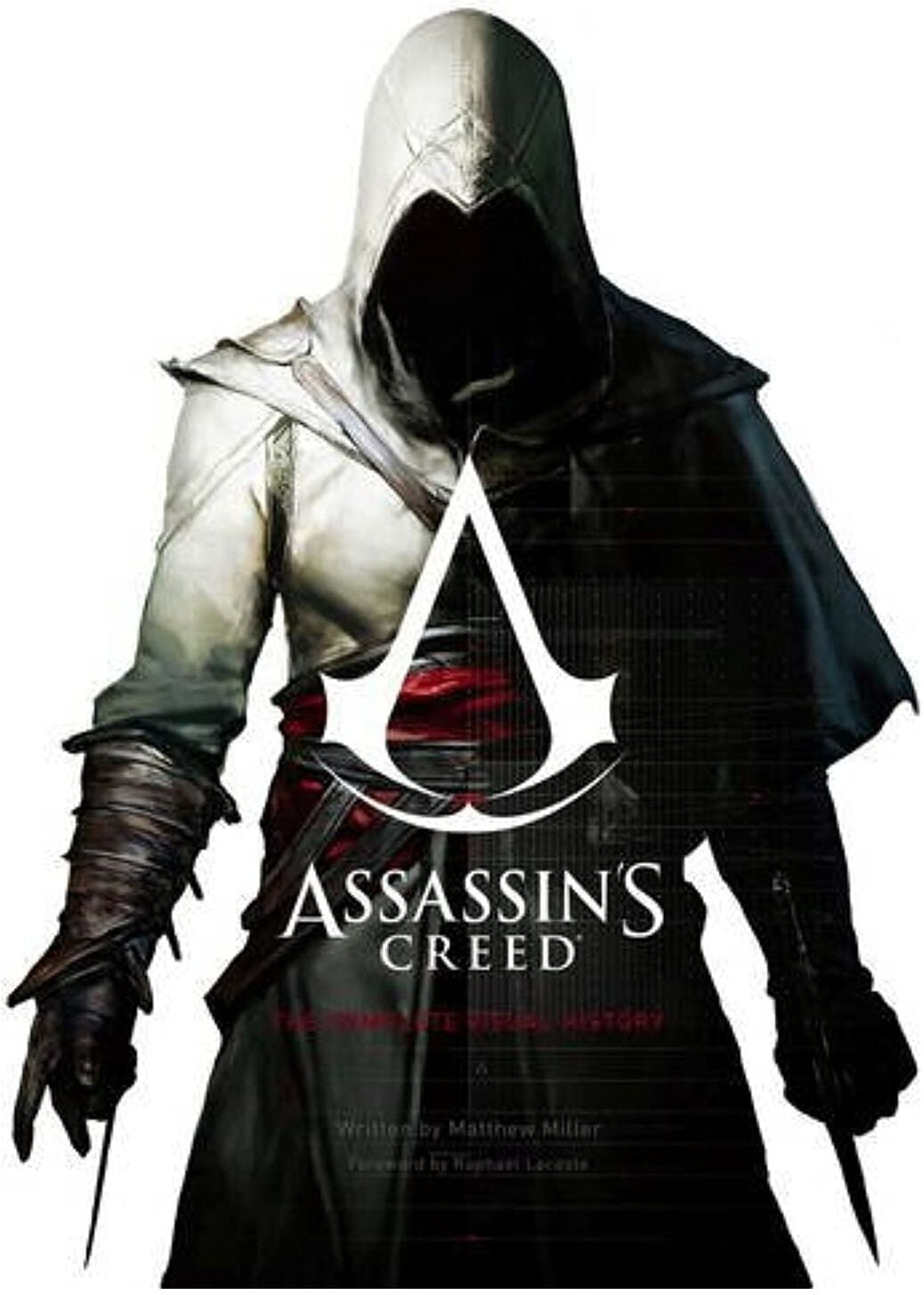
Titan Assassins Creed - The Complete Visual History: The Definitive Visual HistoryThis stunning book explores the rich mythology of Assassins Creed®, featuring the art and history of the series from the first groundbreaking game through the graphic novels to the DLCs. Highlighting the lush and vibrant art that has become a hallmark of the series, this luxury coffee-table book brings the games famous historical locations and figures to life and explores the evolution of each iconic Assassin and Templar.15,99 £*Shipping: 2,99 £Secure redirect to the provider
-
What is the caricature of President Friedrich Ebert from 1919?
The caricature of President Friedrich Ebert from 1919 depicts him as a weak and indecisive leader, representing the challenges and criticisms he faced during his presidency. The caricature often portrays him as being manipulated by more powerful figures, such as the military or big business, highlighting the perception of Ebert as being controlled by outside forces. Additionally, the caricature may emphasize Ebert's role in the controversial decision to use military force to suppress socialist uprisings, further contributing to his negative portrayal. **
-
Why was Friedrich Ebert referred to as a bankruptcy administrator during the 1918 revolution?
Friedrich Ebert was referred to as a bankruptcy administrator during the 1918 revolution because he was the leader of the Social Democratic Party of Germany and became the Chancellor of Germany during a period of political and social turmoil. As Chancellor, Ebert had to navigate the country through the aftermath of World War I, economic crisis, and the collapse of the German monarchy. He was tasked with managing the transition from imperial rule to a democratic republic, which was a challenging and tumultuous process, hence the comparison to a bankruptcy administrator tasked with restructuring and stabilizing a failing entity. **
-
Why was Friedrich Ebert referred to as a bankruptcy trustee during the 1918 revolution?
Friedrich Ebert was referred to as a bankruptcy trustee during the 1918 revolution because he was seen as the leader of the Social Democratic Party in Germany at the time, and he played a key role in negotiating the abdication of Kaiser Wilhelm II. As the head of the provisional government, Ebert was tasked with managing the transition of power from the monarchy to a democratic system, essentially overseeing the "bankruptcy" of the old regime and the establishment of a new political order in Germany. This comparison highlighted his role in navigating the tumultuous period of political and social upheaval during the revolution. **
-
Can you help me with the art, culture, and history exam?
Of course! I can help you with the art, culture, and history exam by providing information, explanations, and answering any specific questions you may have. I can also assist in reviewing key concepts, important figures, and significant events related to these subjects. Feel free to ask me anything you need help with, and I'll do my best to assist you in preparing for your exam. **
* All prices are inclusive of VAT and, if applicable, plus shipping costs. The offer information is based on the details provided by the respective shop and is updated through automated processes. Real-time updates do not occur, so deviations can occur in individual cases. ** Note: Parts of this content were created by AI.