Buy mexicanistas.eu ?
We are moving the project
mexicanistas.eu .
Are you interested in purchasing the domain
mexicanistas.eu ?
domain@kv-gmbh.de · 0541-91531010
Buy mexicanistas.eu ?
How was German cuisine in the Middle Ages?
German cuisine in the Middle Ages was heavily influenced by the availability of ingredients in different regions. Meat, particularly pork, was a staple in the diet of the wealthy, while the common people consumed more grains, vegetables, and dairy products. Spices were also used to flavor dishes, although they were expensive and mainly accessible to the upper class. Overall, German cuisine in the Middle Ages was characterized by a variety of hearty and simple dishes that reflected the agricultural and culinary traditions of the time. **
What was German cuisine like in the Middle Ages?
German cuisine in the Middle Ages was heavily influenced by the availability of ingredients in different regions. Common foods included bread, meat (such as pork, beef, and game), dairy products, and vegetables. Spices were also used to flavor dishes, and beer was a popular beverage. Meals were often hearty and simple, with a focus on filling and sustaining the population through the long, cold winters. The cuisine varied depending on social class, with the wealthy enjoying more elaborate dishes featuring exotic ingredients. **


Similar search terms for Middle
Top-Angebote
Products related to Middle:
-
Uplift Essentials Middle Finger In A Box Prank Gift Middle Finger In A Box Prank GiftDeliver hilarious shock value and playful sass to your friends and coworkers with this middle finger in a box prank gift. Housed inside an innocentlooking wooden box, opening the lid triggers a rude yet lighthearted surprise as a middle finger pops...56,97 $*Shipping: 0,00 $Secure redirect to the provider
-
Uplift Treasures Funny Middle Finger Duck Resin Desk Ornament Funny Middle Finger Duck Resin Desk OrnamentProduct Description: Bring humor to your space with this quirky resin duck ornament featuring a playful middle finger pose. Perfect for desks, bookshelves, gardens, or office dcor, this novelty figurine adds personality and makes a hilarious gift...109,97 $*Shipping: 0,00 $Secure redirect to the provider
-
Bug Scouts Graphix Pack Middle GradeGreat for reluctant readers, this pack contains some of our bestselling graphic novels for middle-grade students.This set includes:Amulet #1: The StonekeeperBone #1: Out from BonevilleGutsI Survived Graphic Novel #1: I Survived the Sinking of the...72,99 $*Shipping: 0,00 $Secure redirect to the provider
-
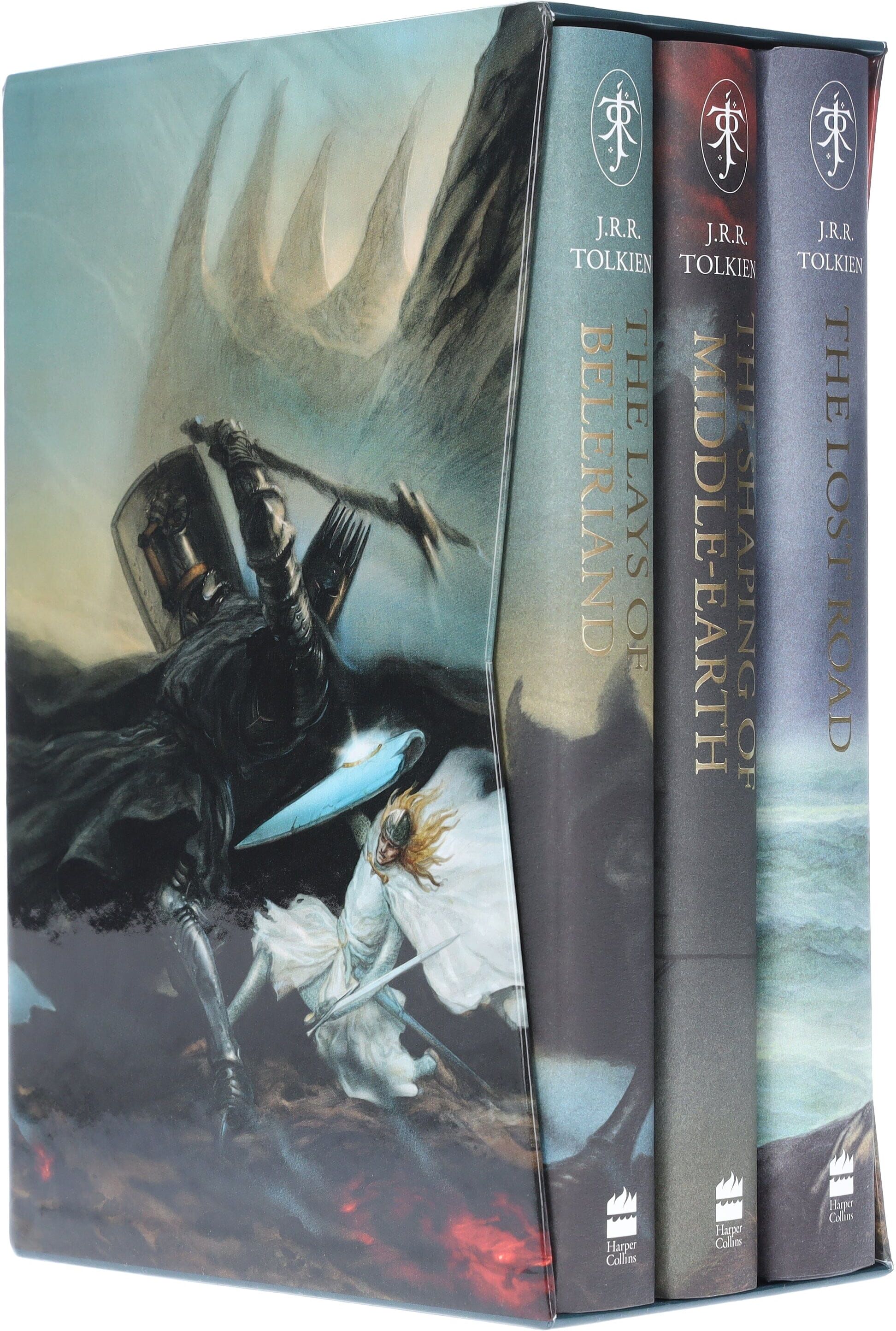
The History of Middle-Earth by Christopher & J. R. R. Tolkien Box Set 2 : Illustrated 3 Books Set - Fiction - Hardback HarperCollins PublishersSecond in a series of hardback boxed sets celebrating the literary achievement of Christopher Tolkien, featuring double-sided dustjackets. Includes THE LAYS OF BELERIAND, THE SHAPING OF MIDDLE-EARTH and THE LOST ROAD, which contain the early myths and legends that led to the writings of THE SILMARILLION. Published together for the first time, these three books comprise a fascinating period of Christopher Tolkien’s forty-year career devoted to presenting his father J.R.R. Tolkien’s writings on Middle-earth, itself a unique accomplishment that celebrates the greatest invented world in all of fantasy literature. Titles in this set: The Lays of Beleriand The Shaping of Middle-earth The Lost Road Description: The Lays of Beleriand The Lays of Beleriand gives us a privileged insight into the creation of the mythology of Middle-earth through the alliterative verse tales of two of the most crucial stories in Tolkien’s world – those of Túrin and of Beren and Lúthien. Accompanying the poems are commentaries on the evolution of the history of the Elder Days, together with the notable criticism of The Lay of Leithian by C.S. Lewis, who read the poem in 1929. The Shaping of Middle-earth In The Shaping of Middle-earth the chronological and geographical structure of the legends of Middle-earth and Valinor is spread before us. We are introduced to the hitherto unknown Ambarkanta or ‘Shape of the World’, the only account ever given of the nature of the imagined Universe, accompanied by maps and diagrams of the world before and after the cataclysms of the War of the Gods and the Downfall of Númenor. Also included are the original ‘Silmarillion’ of 1926, and the Quenta Noldorinwa of 1930 – the only version of the myths and legends of the First Age that J.R.R. Tolkien completed to their end. The Lost Road The Lost Road completes the examination of Tolkien’s writing completes the examination of Tolkien's writing before he began The Lord of the Rings, presenting later forms of the annals of Valinor and Beleriand, the legend of the downfall of Númenor, and the abandoned ‘time-travel’ story The Lost Road, linking the world of Númenor and Middle-earth with the legends of many other times and peoples.52,99 £*Shipping: 0,00 £Secure redirect to the provider



-
What Roman and Germanic traditions existed in the Middle Ages?
In the Middle Ages, Roman traditions such as the use of Latin as the language of the Church and administration, the concept of a centralized government, and the development of Roman law continued to influence European society. Germanic traditions, on the other hand, included the practice of feudalism, where land was granted in exchange for loyalty and military service, as well as the importance of kinship ties and warrior culture. These traditions blended together to create a unique cultural and social landscape in medieval Europe. **
-
Which customs and traditions of the Middle Ages are still practiced today?
Many customs and traditions from the Middle Ages are still practiced today, such as the celebration of Christmas and Easter, which have their roots in medieval Christian traditions. The tradition of heraldry, with its use of coats of arms and family crests, is still seen in modern family emblems and logos. The concept of chivalry, with its emphasis on honor, bravery, and courtesy, continues to influence modern ideas of ethical behavior and conduct. Additionally, medieval architecture and art continue to inspire contemporary designs and cultural expressions. **
-
Can you help me with the art, culture, and history exam?
Of course! I can help you with the art, culture, and history exam by providing information, explanations, and answering any specific questions you may have. I can also assist in reviewing key concepts, important figures, and significant events related to these subjects. Feel free to ask me anything you need help with, and I'll do my best to assist you in preparing for your exam. **
-
What traditions, customs, and festivals are there in Hungary?
Hungary has a rich cultural heritage with many traditions, customs, and festivals. One of the most well-known traditions is the celebration of Easter, which includes painting eggs and the custom of sprinkling water on women as a sign of fertility. Another important festival is the Budapest Spring Festival, which features a wide range of cultural events including music, dance, and theater performances. The Hungarian National Day, celebrated on August 20th, is also a significant event, with fireworks, concerts, and other festivities taking place across the country. Additionally, traditional Hungarian folk music and dance are an integral part of the country's cultural identity, with many festivals and events dedicated to showcasing these art forms. **

What do medieval festivals, where the Middle Ages are celebrated, say about a society?
Medieval festivals that celebrate the Middle Ages say a lot about a society's interest in history, tradition, and cultural heritage. These festivals often showcase various aspects of medieval life, such as music, food, crafts, and entertainment, reflecting a desire to connect with the past and preserve historical customs. They also provide an opportunity for people to come together and participate in communal activities, fostering a sense of community and shared identity. Overall, these festivals demonstrate a society's appreciation for its cultural roots and a desire to keep them alive for future generations. **
What are the traditions and culture in Kosovo?
Kosovo has a rich cultural heritage influenced by its history and diverse population. The traditions in Kosovo are deeply rooted in its Albanian, Serbian, and Turkish heritage, and include music, dance, and cuisine. The country also has a strong tradition of storytelling, poetry, and folk art. Additionally, Kosovo is known for its religious diversity, with a mix of Muslim, Orthodox Christian, and Catholic influences contributing to its cultural landscape. Overall, the traditions and culture in Kosovo reflect the country's complex history and the resilience of its people. **
Top-Angebote
Products related to Middle:
-
Uplift Essentials Middle Finger Duck Resin Desk Ornament Middle Finger Duck Resin Desk OrnamentAdd a hilarious touch of attitude to your workspace with this middle finger duck resin desk ornament. Featuring a cute yellow duck throwing up double middle fingers, this funny figurine balances playful humor with a bold, unapologetic vibe. Crafted...64,97 $*Shipping: 0,00 $Secure redirect to the provider
-
Marvel Middle Grade Graphix PackCelebrate epic adventures all summer long with these exciting Marvel titles.This set includes:Captain America: The Ghost ArmyMiles Morales #1: Shock WavesMiles Morales #2: Stranger TidesMoon Girl & Devil Dinosaur: Wreck and RollShang-Chi and the...53,99 $*Shipping: 0,00 $Secure redirect to the provider
-
Uplift Essentials Middle Finger In A Box Prank Gift Middle Finger In A Box Prank GiftDeliver hilarious shock value and playful sass to your friends and coworkers with this middle finger in a box prank gift. Housed inside an innocentlooking wooden box, opening the lid triggers a rude yet lighthearted surprise as a middle finger pops...56,97 $*Shipping: 0,00 $Secure redirect to the provider
-
Uplift Treasures Funny Middle Finger Duck Resin Desk Ornament Funny Middle Finger Duck Resin Desk OrnamentProduct Description: Bring humor to your space with this quirky resin duck ornament featuring a playful middle finger pose. Perfect for desks, bookshelves, gardens, or office dcor, this novelty figurine adds personality and makes a hilarious gift...109,97 $*Shipping: 0,00 $Secure redirect to the provider
-
How was German cuisine in the Middle Ages?
German cuisine in the Middle Ages was heavily influenced by the availability of ingredients in different regions. Meat, particularly pork, was a staple in the diet of the wealthy, while the common people consumed more grains, vegetables, and dairy products. Spices were also used to flavor dishes, although they were expensive and mainly accessible to the upper class. Overall, German cuisine in the Middle Ages was characterized by a variety of hearty and simple dishes that reflected the agricultural and culinary traditions of the time. **
-
What was German cuisine like in the Middle Ages?
German cuisine in the Middle Ages was heavily influenced by the availability of ingredients in different regions. Common foods included bread, meat (such as pork, beef, and game), dairy products, and vegetables. Spices were also used to flavor dishes, and beer was a popular beverage. Meals were often hearty and simple, with a focus on filling and sustaining the population through the long, cold winters. The cuisine varied depending on social class, with the wealthy enjoying more elaborate dishes featuring exotic ingredients. **
-
What Roman and Germanic traditions existed in the Middle Ages?
In the Middle Ages, Roman traditions such as the use of Latin as the language of the Church and administration, the concept of a centralized government, and the development of Roman law continued to influence European society. Germanic traditions, on the other hand, included the practice of feudalism, where land was granted in exchange for loyalty and military service, as well as the importance of kinship ties and warrior culture. These traditions blended together to create a unique cultural and social landscape in medieval Europe. **
-
Which customs and traditions of the Middle Ages are still practiced today?
Many customs and traditions from the Middle Ages are still practiced today, such as the celebration of Christmas and Easter, which have their roots in medieval Christian traditions. The tradition of heraldry, with its use of coats of arms and family crests, is still seen in modern family emblems and logos. The concept of chivalry, with its emphasis on honor, bravery, and courtesy, continues to influence modern ideas of ethical behavior and conduct. Additionally, medieval architecture and art continue to inspire contemporary designs and cultural expressions. **
Similar search terms for Middle
-
Bug Scouts Graphix Pack Middle GradeGreat for reluctant readers, this pack contains some of our bestselling graphic novels for middle-grade students.This set includes:Amulet #1: The StonekeeperBone #1: Out from BonevilleGutsI Survived Graphic Novel #1: I Survived the Sinking of the...72,99 $*Shipping: 0,00 $Secure redirect to the provider
-
The History of Middle-Earth by Christopher & J. R. R. Tolkien Box Set 2 : Illustrated 3 Books Set - Fiction - Hardback HarperCollins PublishersSecond in a series of hardback boxed sets celebrating the literary achievement of Christopher Tolkien, featuring double-sided dustjackets. Includes THE LAYS OF BELERIAND, THE SHAPING OF MIDDLE-EARTH and THE LOST ROAD, which contain the early myths and legends that led to the writings of THE SILMARILLION. Published together for the first time, these three books comprise a fascinating period of Christopher Tolkien’s forty-year career devoted to presenting his father J.R.R. Tolkien’s writings on Middle-earth, itself a unique accomplishment that celebrates the greatest invented world in all of fantasy literature. Titles in this set: The Lays of Beleriand The Shaping of Middle-earth The Lost Road Description: The Lays of Beleriand The Lays of Beleriand gives us a privileged insight into the creation of the mythology of Middle-earth through the alliterative verse tales of two of the most crucial stories in Tolkien’s world – those of Túrin and of Beren and Lúthien. Accompanying the poems are commentaries on the evolution of the history of the Elder Days, together with the notable criticism of The Lay of Leithian by C.S. Lewis, who read the poem in 1929. The Shaping of Middle-earth In The Shaping of Middle-earth the chronological and geographical structure of the legends of Middle-earth and Valinor is spread before us. We are introduced to the hitherto unknown Ambarkanta or ‘Shape of the World’, the only account ever given of the nature of the imagined Universe, accompanied by maps and diagrams of the world before and after the cataclysms of the War of the Gods and the Downfall of Númenor. Also included are the original ‘Silmarillion’ of 1926, and the Quenta Noldorinwa of 1930 – the only version of the myths and legends of the First Age that J.R.R. Tolkien completed to their end. The Lost Road The Lost Road completes the examination of Tolkien’s writing completes the examination of Tolkien's writing before he began The Lord of the Rings, presenting later forms of the annals of Valinor and Beleriand, the legend of the downfall of Númenor, and the abandoned ‘time-travel’ story The Lost Road, linking the world of Númenor and Middle-earth with the legends of many other times and peoples.52,99 £*Shipping: 0,00 £Secure redirect to the provider
-
Bronzhaus Bronze Large Medieval Art Knight Warrior Middle Ages Sculpture Statue FigurineCondition: This sculpture is in perfect condition Bronze Dimensions with Marble Base: Height 15 inches X Width 11 inches Marble Dimensions:5 inches X 4 inches Height without base:14 inches Weight:10 LBS Inventory:13Y7674731 Original or Reproduction:…261,41 $*Shipping: 0,00 $Secure redirect to the provider
-
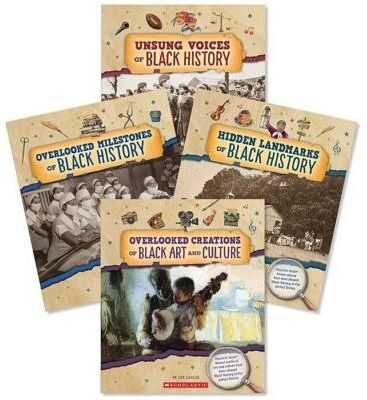
From the Archives: Black History and Culture Value PackThis brand-new series is rooted in a profound commitment to shedding light on some of the important -- and often lesser-known -- aspects of Black history. From the Archives features landmarks, events, people, and artistic endeavors that have played...26,99 $*Shipping: 0,00 $Secure redirect to the provider
-
Can you help me with the art, culture, and history exam?
Of course! I can help you with the art, culture, and history exam by providing information, explanations, and answering any specific questions you may have. I can also assist in reviewing key concepts, important figures, and significant events related to these subjects. Feel free to ask me anything you need help with, and I'll do my best to assist you in preparing for your exam. **
-
What traditions, customs, and festivals are there in Hungary?
Hungary has a rich cultural heritage with many traditions, customs, and festivals. One of the most well-known traditions is the celebration of Easter, which includes painting eggs and the custom of sprinkling water on women as a sign of fertility. Another important festival is the Budapest Spring Festival, which features a wide range of cultural events including music, dance, and theater performances. The Hungarian National Day, celebrated on August 20th, is also a significant event, with fireworks, concerts, and other festivities taking place across the country. Additionally, traditional Hungarian folk music and dance are an integral part of the country's cultural identity, with many festivals and events dedicated to showcasing these art forms. **
-
What do medieval festivals, where the Middle Ages are celebrated, say about a society?
Medieval festivals that celebrate the Middle Ages say a lot about a society's interest in history, tradition, and cultural heritage. These festivals often showcase various aspects of medieval life, such as music, food, crafts, and entertainment, reflecting a desire to connect with the past and preserve historical customs. They also provide an opportunity for people to come together and participate in communal activities, fostering a sense of community and shared identity. Overall, these festivals demonstrate a society's appreciation for its cultural roots and a desire to keep them alive for future generations. **
-
What are the traditions and culture in Kosovo?
Kosovo has a rich cultural heritage influenced by its history and diverse population. The traditions in Kosovo are deeply rooted in its Albanian, Serbian, and Turkish heritage, and include music, dance, and cuisine. The country also has a strong tradition of storytelling, poetry, and folk art. Additionally, Kosovo is known for its religious diversity, with a mix of Muslim, Orthodox Christian, and Catholic influences contributing to its cultural landscape. Overall, the traditions and culture in Kosovo reflect the country's complex history and the resilience of its people. **
* All prices are inclusive of VAT and, if applicable, plus shipping costs. The offer information is based on the details provided by the respective shop and is updated through automated processes. Real-time updates do not occur, so deviations can occur in individual cases. ** Note: Parts of this content were created by AI.