Buy mexicanistas.eu ?
We are moving the project
mexicanistas.eu .
Are you interested in purchasing the domain
mexicanistas.eu ?
domain@kv-gmbh.de · 0541-91531010
Buy mexicanistas.eu ?
Can you help me with the art, culture, and history exam?
Of course! I can help you with the art, culture, and history exam by providing information, explanations, and answering any specific questions you may have. I can also assist in reviewing key concepts, important figures, and significant events related to these subjects. Feel free to ask me anything you need help with, and I'll do my best to assist you in preparing for your exam. **
What traditions, customs, and festivals are there in Hungary?
Hungary has a rich cultural heritage with many traditions, customs, and festivals. One of the most well-known traditions is the celebration of Easter, which includes painting eggs and the custom of sprinkling water on women as a sign of fertility. Another important festival is the Budapest Spring Festival, which features a wide range of cultural events including music, dance, and theater performances. The Hungarian National Day, celebrated on August 20th, is also a significant event, with fireworks, concerts, and other festivities taking place across the country. Additionally, traditional Hungarian folk music and dance are an integral part of the country's cultural identity, with many festivals and events dedicated to showcasing these art forms. **


Similar search terms for Children
Top-Angebote
Products related to Children:
-
From the Archives: Black History and Culture Value PackThis brand-new series is rooted in a profound commitment to shedding light on some of the important -- and often lesser-known -- aspects of Black history. From the Archives features landmarks, events, people, and artistic endeavors that have played...26,99 $*Shipping: 0,00 $Secure redirect to the provider
-
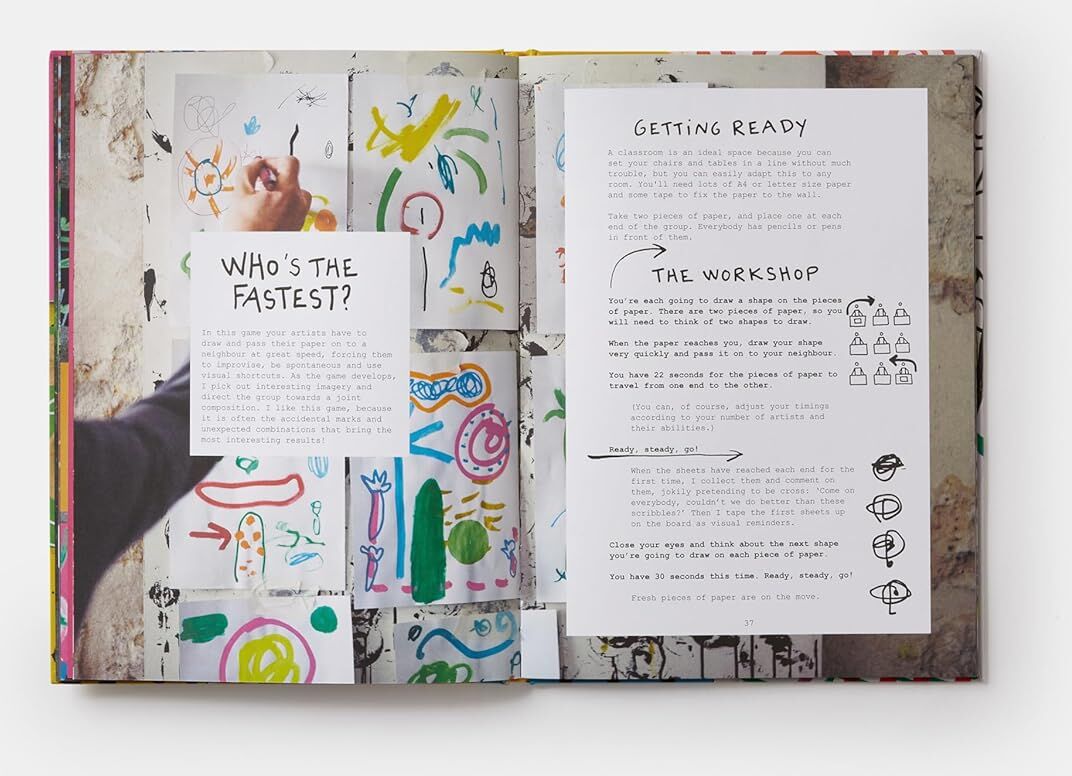
Phaidon Press Art Workshops For Children Hardback By Herve TulletArt Workshops For Children Hardback Description: Art Workshops for Children is a guide for parents and teachers to organize and execute artistic workshops for children. 12 workshops are featured; each offering a list of materials needed; a step by step guide to facilitation; practical tips; illustrated examples; and photos of workshops in progress. The workshops are designed to spark children's imaginations; champion group bonding; and give visually pleasing results with no artistic ability required. Tried and tested around the world by children of all ages. Perfect for organizing group events at home; in schools; at parties; at museums anywhere!10,99 £*Shipping: 2,99 £Secure redirect to the provider



-
What is the history of the children?
The history of children is a complex and multifaceted one, shaped by cultural, social, and economic factors throughout time. In ancient societies, children were often viewed as property of their parents and had limited rights. During the Middle Ages, children were often put to work at a young age and had few opportunities for education. The concept of childhood as a distinct and important stage of life began to emerge during the Renaissance, and the 19th and 20th centuries saw significant advancements in child labor laws, education, and child welfare. Today, children's rights are recognized and protected by international conventions and laws, although challenges such as child labor, poverty, and access to education still persist in many parts of the world. **
-
What are the traditions and culture in Kosovo?
Kosovo has a rich cultural heritage influenced by its history and diverse population. The traditions in Kosovo are deeply rooted in its Albanian, Serbian, and Turkish heritage, and include music, dance, and cuisine. The country also has a strong tradition of storytelling, poetry, and folk art. Additionally, Kosovo is known for its religious diversity, with a mix of Muslim, Orthodox Christian, and Catholic influences contributing to its cultural landscape. Overall, the traditions and culture in Kosovo reflect the country's complex history and the resilience of its people. **
-
Are there any special festivals and traditions in Schleswig-Holstein?
Yes, Schleswig-Holstein has several special festivals and traditions. One of the most famous is the Kiel Week, which is the largest sailing event in the world and includes a variety of cultural and entertainment activities. Another popular tradition is the Schleswig-Holstein Music Festival, which features classical music performances in various locations throughout the region. Additionally, there are traditional events like the Husum Harbour Days and the Wacken Open Air heavy metal music festival that attract visitors from all over the world. **
-
Which martial art is the best for children?
The best martial art for children depends on their individual interests, physical abilities, and the availability of qualified instructors. However, some popular options for children include Taekwondo, Karate, and Brazilian Jiu-Jitsu. These martial arts focus on discipline, respect, and self-defense, which can help children develop confidence, focus, and physical fitness. It's important for parents to research and visit different martial arts schools to find the best fit for their child. **


What traditions and customs are there in Turkish culture?
Turkish culture is rich in traditions and customs that have been passed down through generations. One important tradition is the Turkish tea culture, where people gather to socialize and enjoy strong, black tea served in small glasses. Another tradition is the Turkish bath, or hamam, which is a communal bathing experience that has been a part of Turkish culture for centuries. Additionally, Turkish cuisine is known for its diverse flavors and use of fresh ingredients, and sharing meals with family and friends is an important custom in Turkish culture. Finally, hospitality is a key aspect of Turkish culture, with guests being treated with great respect and generosity. **
What does Cuban cuisine and eating culture look like?
Cuban cuisine is a fusion of Spanish, African, and Caribbean influences, resulting in a diverse and flavorful culinary tradition. Common ingredients include rice, beans, plantains, and various meats such as pork and chicken. Popular dishes include ropa vieja (shredded beef), arroz con pollo (chicken with rice), and lechón asado (roast pork). Eating culture in Cuba is centered around family and community, with meals often being a social and communal experience. It is common for Cubans to share meals with extended family and friends, and food is an important part of social gatherings and celebrations. **
Top-Angebote
Products related to Children:
-
Usborne Beginners History 10 Books Collection Box Set Educational History Books for Children - Stone Age Iron Age - HARDCOVERUsborne Beginners History 10 Books Collection Box Set Stone Age Iron Age Egyptians Ancient Greeks .. Stone Age This simple information book follows the history of Stone Age people and how they lived. Iron Age This simple information book charts the history of Iron Age people and how they lived; including their farming methods; the gods they prayed to and the hill forts where they lived. Egyptians Who were the ancient Egyptians? Why did they build pyramids and how were mummies made? Ancient Greeks Find out about Ancient Greece; what people wore; ate and did for fun and learn about some of the most famous philosophers and mathematicians of the age in this compelling book for beginner readers. Celts Who were the Celts exactly? Did you know they lived on top of hills? Do you have any idea how Celtic warriors made themselves look really scary in battle? Romans Who were the ancient Romans? Where did they go to eat; shop and wash? What did they do for fun? The Maya Who were the Maya? Where did they live? Why did they build tall stone temples? Vikings Find out what it was like to be a Viking; and learn about Viking homes; feasts; boats; gods and much more in this fascinating book. Castles Who lived in a castle; and what was it like? Children can find out the answers to these questions and lots more about the wonderful world of castles in this informative book. Digging Up the Past How do ancient things get buried? Who digs them up? And what do they find? Beginner readers can find answers to these questions and more in this colourful information book. Related Tags: Usborne, Usbourne14,99 £*Shipping: 2,99 £Secure redirect to the provider
-
Pan Macmillan Children of Time Series 3 Books Collection Set (Children of Time, Children of Ruin & Children of Memory)Children of TimeChildren of Time, is the epic story of humanity's battle for survival on a terraformed planet.Who will inherit this new Earth? The last remnants of the human race left a dying Earth, desperate to find a new home among the stars. Following in the footsteps of their ancestors, they discover the greatest treasure of the past age – a world terraformed and prepared for human life.Children of RuinIt has been waiting through the ages. Now it's time . . .Thousands of years ago, Earth’s terraforming program took to the stars. On the world they called Nod, scientists discovered alien life – but it was their mission to overwrite it with the memory of Earth. Then humanity’s great empire fell, and the program’s decisions were lost to time.Aeons later, humanity and its new spider allies detected fragmentary radio signals between the stars. They dispatched an exploration vessel, hoping to find cousins from old Earth.But those ancient terraformers woke something on Nod better left undisturbed.And it’s been waiting for them.Children of MemoryThey dreamed of a new homeThey woke to a nightmareOn Imir, Captain Holt founded a new colony on an empty world. In the process, he created hope and a new future for humanity. But generations later, his descendants are struggling to survive. As harvests worsen and equipment fails, strangers appear in a town where everyone knows their neighbour. Now the inexplicable lurks in the woods and the community fears it’s being observed – that they’re not alone.They’d be right, as explorers from the stars have arrived in secret to help this lost outpost. Confident of their superior technology, and overseen by the all-knowing construct of Doctor Avrana Kern, they begin to study their long-lost cousins from Earth.16,49 £*Shipping: 2,99 £Secure redirect to the provider
-
From the Archives: Black History and Culture Value PackThis brand-new series is rooted in a profound commitment to shedding light on some of the important -- and often lesser-known -- aspects of Black history. From the Archives features landmarks, events, people, and artistic endeavors that have played...26,99 $*Shipping: 0,00 $Secure redirect to the provider
-
Can you help me with the art, culture, and history exam?
Of course! I can help you with the art, culture, and history exam by providing information, explanations, and answering any specific questions you may have. I can also assist in reviewing key concepts, important figures, and significant events related to these subjects. Feel free to ask me anything you need help with, and I'll do my best to assist you in preparing for your exam. **
-
What traditions, customs, and festivals are there in Hungary?
Hungary has a rich cultural heritage with many traditions, customs, and festivals. One of the most well-known traditions is the celebration of Easter, which includes painting eggs and the custom of sprinkling water on women as a sign of fertility. Another important festival is the Budapest Spring Festival, which features a wide range of cultural events including music, dance, and theater performances. The Hungarian National Day, celebrated on August 20th, is also a significant event, with fireworks, concerts, and other festivities taking place across the country. Additionally, traditional Hungarian folk music and dance are an integral part of the country's cultural identity, with many festivals and events dedicated to showcasing these art forms. **
-
What is the history of the children?
The history of children is a complex and multifaceted one, shaped by cultural, social, and economic factors throughout time. In ancient societies, children were often viewed as property of their parents and had limited rights. During the Middle Ages, children were often put to work at a young age and had few opportunities for education. The concept of childhood as a distinct and important stage of life began to emerge during the Renaissance, and the 19th and 20th centuries saw significant advancements in child labor laws, education, and child welfare. Today, children's rights are recognized and protected by international conventions and laws, although challenges such as child labor, poverty, and access to education still persist in many parts of the world. **
-
What are the traditions and culture in Kosovo?
Kosovo has a rich cultural heritage influenced by its history and diverse population. The traditions in Kosovo are deeply rooted in its Albanian, Serbian, and Turkish heritage, and include music, dance, and cuisine. The country also has a strong tradition of storytelling, poetry, and folk art. Additionally, Kosovo is known for its religious diversity, with a mix of Muslim, Orthodox Christian, and Catholic influences contributing to its cultural landscape. Overall, the traditions and culture in Kosovo reflect the country's complex history and the resilience of its people. **
Similar search terms for Children
-
Phaidon Press Art Workshops For Children Hardback By Herve TulletArt Workshops For Children Hardback Description: Art Workshops for Children is a guide for parents and teachers to organize and execute artistic workshops for children. 12 workshops are featured; each offering a list of materials needed; a step by step guide to facilitation; practical tips; illustrated examples; and photos of workshops in progress. The workshops are designed to spark children's imaginations; champion group bonding; and give visually pleasing results with no artistic ability required. Tried and tested around the world by children of all ages. Perfect for organizing group events at home; in schools; at parties; at museums anywhere!10,99 £*Shipping: 2,99 £Secure redirect to the provider
-
Are there any special festivals and traditions in Schleswig-Holstein?
Yes, Schleswig-Holstein has several special festivals and traditions. One of the most famous is the Kiel Week, which is the largest sailing event in the world and includes a variety of cultural and entertainment activities. Another popular tradition is the Schleswig-Holstein Music Festival, which features classical music performances in various locations throughout the region. Additionally, there are traditional events like the Husum Harbour Days and the Wacken Open Air heavy metal music festival that attract visitors from all over the world. **
-
Which martial art is the best for children?
The best martial art for children depends on their individual interests, physical abilities, and the availability of qualified instructors. However, some popular options for children include Taekwondo, Karate, and Brazilian Jiu-Jitsu. These martial arts focus on discipline, respect, and self-defense, which can help children develop confidence, focus, and physical fitness. It's important for parents to research and visit different martial arts schools to find the best fit for their child. **
-
What traditions and customs are there in Turkish culture?
Turkish culture is rich in traditions and customs that have been passed down through generations. One important tradition is the Turkish tea culture, where people gather to socialize and enjoy strong, black tea served in small glasses. Another tradition is the Turkish bath, or hamam, which is a communal bathing experience that has been a part of Turkish culture for centuries. Additionally, Turkish cuisine is known for its diverse flavors and use of fresh ingredients, and sharing meals with family and friends is an important custom in Turkish culture. Finally, hospitality is a key aspect of Turkish culture, with guests being treated with great respect and generosity. **
-
What does Cuban cuisine and eating culture look like?
Cuban cuisine is a fusion of Spanish, African, and Caribbean influences, resulting in a diverse and flavorful culinary tradition. Common ingredients include rice, beans, plantains, and various meats such as pork and chicken. Popular dishes include ropa vieja (shredded beef), arroz con pollo (chicken with rice), and lechón asado (roast pork). Eating culture in Cuba is centered around family and community, with meals often being a social and communal experience. It is common for Cubans to share meals with extended family and friends, and food is an important part of social gatherings and celebrations. **
* All prices are inclusive of VAT and, if applicable, plus shipping costs. The offer information is based on the details provided by the respective shop and is updated through automated processes. Real-time updates do not occur, so deviations can occur in individual cases. ** Note: Parts of this content were created by AI.