Buy mexicanistas.eu ?
We are moving the project
mexicanistas.eu .
Are you interested in purchasing the domain
mexicanistas.eu ?
domain@kv-gmbh.de · 0541-91531010
Buy mexicanistas.eu ?
How can one counter cancel culture?
One way to counter cancel culture is by promoting open dialogue and encouraging diverse perspectives. It is important to listen to different viewpoints and engage in constructive conversations rather than resorting to silencing or shaming individuals. Additionally, educating oneself on the complexities of the issues at hand and approaching discussions with empathy and understanding can help foster a more inclusive and tolerant environment. Lastly, advocating for forgiveness and second chances, as well as focusing on personal growth and learning from mistakes, can help mitigate the negative impacts of cancel culture. **
What is the difference between low culture and high culture in history?
Low culture refers to the cultural activities and products that are considered to be more common, popular, and easily accessible to the general public. This can include things like popular music, television shows, and mass-produced literature. On the other hand, high culture refers to the cultural activities and products that are considered to be more refined, sophisticated, and often associated with the elite or educated classes. This can include things like classical music, fine art, and literature that is considered to be more intellectually challenging. The distinction between low and high culture has been a source of debate and has evolved over time, but it generally reflects the social and class divisions within a society. **


Similar search terms for Counter-culture
Top-Angebote
Products related to Counter-culture:
-
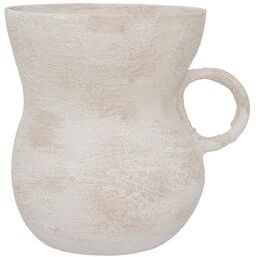
Urban Nature Culture Vase RelaxedQuiet elegancy comes to life in Urban Nature Culture's vase Relaxed. Handmade in Portugal, this ceramic vase has a shape beyond anything you've seen - it's organic, it flows and steals your heart with its playful ear.123,40 $*Shipping: 0,00 $Secure redirect to the provider



-
What are the traditions and culture in Kosovo?
Kosovo has a rich cultural heritage influenced by its history and diverse population. The traditions in Kosovo are deeply rooted in its Albanian, Serbian, and Turkish heritage, and include music, dance, and cuisine. The country also has a strong tradition of storytelling, poetry, and folk art. Additionally, Kosovo is known for its religious diversity, with a mix of Muslim, Orthodox Christian, and Catholic influences contributing to its cultural landscape. Overall, the traditions and culture in Kosovo reflect the country's complex history and the resilience of its people. **
-
What are art and culture events?
Art and culture events are gatherings or activities that showcase various forms of artistic expression, such as visual arts, music, dance, theater, literature, and more. These events provide a platform for artists to share their work with the public and engage in creative dialogue. They also offer opportunities for individuals to immerse themselves in different cultural experiences, broaden their perspectives, and appreciate the diversity of human expression. Overall, art and culture events play a vital role in enriching communities, fostering creativity, and promoting understanding and connection among people. **
-
What are event culture and time culture?
Event culture refers to the way in which events, such as festivals, concerts, and sporting events, shape and influence a society's values, beliefs, and behaviors. Time culture, on the other hand, refers to the way in which a society perceives and organizes time, including concepts of punctuality, scheduling, and the pace of life. Both event culture and time culture play a significant role in shaping social interactions, traditions, and overall societal norms. **
-
Can you help me with the art, culture, and history exam?
Of course! I can help you with the art, culture, and history exam by providing information, explanations, and answering any specific questions you may have. I can also assist in reviewing key concepts, important figures, and significant events related to these subjects. Feel free to ask me anything you need help with, and I'll do my best to assist you in preparing for your exam. **

What traditions and customs are there in Turkish culture?
Turkish culture is rich in traditions and customs that have been passed down through generations. One important tradition is the Turkish tea culture, where people gather to socialize and enjoy strong, black tea served in small glasses. Another tradition is the Turkish bath, or hamam, which is a communal bathing experience that has been a part of Turkish culture for centuries. Additionally, Turkish cuisine is known for its diverse flavors and use of fresh ingredients, and sharing meals with family and friends is an important custom in Turkish culture. Finally, hospitality is a key aspect of Turkish culture, with guests being treated with great respect and generosity. **
What does Cuban cuisine and eating culture look like?
Cuban cuisine is a fusion of Spanish, African, and Caribbean influences, resulting in a diverse and flavorful culinary tradition. Common ingredients include rice, beans, plantains, and various meats such as pork and chicken. Popular dishes include ropa vieja (shredded beef), arroz con pollo (chicken with rice), and lechón asado (roast pork). Eating culture in Cuba is centered around family and community, with meals often being a social and communal experience. It is common for Cubans to share meals with extended family and friends, and food is an important part of social gatherings and celebrations. **
Top-Angebote
Products related to Counter-culture:
-
From the Archives: Black History and Culture Value PackThis brand-new series is rooted in a profound commitment to shedding light on some of the important -- and often lesser-known -- aspects of Black history. From the Archives features landmarks, events, people, and artistic endeavors that have played...26,99 $*Shipping: 0,00 $Secure redirect to the provider
-
How can one counter cancel culture?
One way to counter cancel culture is by promoting open dialogue and encouraging diverse perspectives. It is important to listen to different viewpoints and engage in constructive conversations rather than resorting to silencing or shaming individuals. Additionally, educating oneself on the complexities of the issues at hand and approaching discussions with empathy and understanding can help foster a more inclusive and tolerant environment. Lastly, advocating for forgiveness and second chances, as well as focusing on personal growth and learning from mistakes, can help mitigate the negative impacts of cancel culture. **
-
What is the difference between low culture and high culture in history?
Low culture refers to the cultural activities and products that are considered to be more common, popular, and easily accessible to the general public. This can include things like popular music, television shows, and mass-produced literature. On the other hand, high culture refers to the cultural activities and products that are considered to be more refined, sophisticated, and often associated with the elite or educated classes. This can include things like classical music, fine art, and literature that is considered to be more intellectually challenging. The distinction between low and high culture has been a source of debate and has evolved over time, but it generally reflects the social and class divisions within a society. **
-
What are the traditions and culture in Kosovo?
Kosovo has a rich cultural heritage influenced by its history and diverse population. The traditions in Kosovo are deeply rooted in its Albanian, Serbian, and Turkish heritage, and include music, dance, and cuisine. The country also has a strong tradition of storytelling, poetry, and folk art. Additionally, Kosovo is known for its religious diversity, with a mix of Muslim, Orthodox Christian, and Catholic influences contributing to its cultural landscape. Overall, the traditions and culture in Kosovo reflect the country's complex history and the resilience of its people. **
-
What are art and culture events?
Art and culture events are gatherings or activities that showcase various forms of artistic expression, such as visual arts, music, dance, theater, literature, and more. These events provide a platform for artists to share their work with the public and engage in creative dialogue. They also offer opportunities for individuals to immerse themselves in different cultural experiences, broaden their perspectives, and appreciate the diversity of human expression. Overall, art and culture events play a vital role in enriching communities, fostering creativity, and promoting understanding and connection among people. **
Similar search terms for Counter-culture
-
Urban Nature Culture Vase RelaxedQuiet elegancy comes to life in Urban Nature Culture's vase Relaxed. Handmade in Portugal, this ceramic vase has a shape beyond anything you've seen - it's organic, it flows and steals your heart with its playful ear.123,40 $*Shipping: 0,00 $Secure redirect to the provider
-
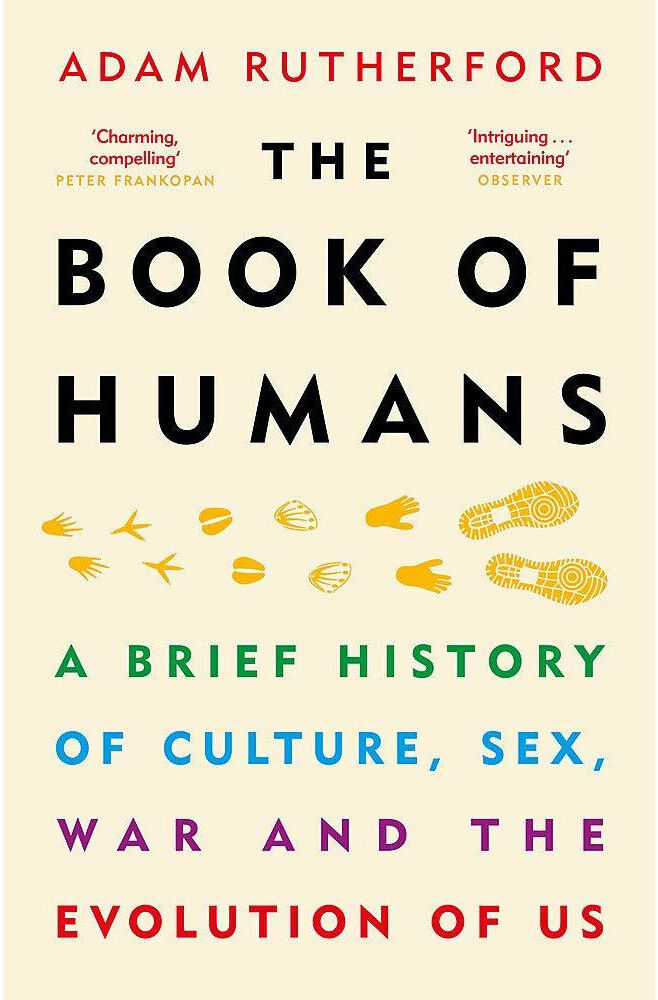
Orion The Book of Humans by Adam Rutherford – A Brief History of Culture, Sex, War & EvolutionWHAT MAKES US HUMAN? Waging war? Sex for pleasure? Creating art? Mastery of fire? In this thrilling tour of the animal kingdom, Adam Rutherford tells the story of how we became the unique creatures we are today. Illuminated by the latest scientific discoveries, THE BOOK OF HUMANS is a dazzling compendium of what unequivocally fixes us as animals, and reveals how we are extraordinary among them.4,98 £*Shipping: 1,99 £Secure redirect to the provider
-
Urban Nature Culture Vase Talvi - WhiteFloating the sea waves, a sense of calm takes over, feeling at home in the world. That same feeling we get at home, like a safe haven to relax our senses and feast our eyes on our most cherished things.267,80 $*Shipping: 0,00 $Secure redirect to the provider
-
What are event culture and time culture?
Event culture refers to the way in which events, such as festivals, concerts, and sporting events, shape and influence a society's values, beliefs, and behaviors. Time culture, on the other hand, refers to the way in which a society perceives and organizes time, including concepts of punctuality, scheduling, and the pace of life. Both event culture and time culture play a significant role in shaping social interactions, traditions, and overall societal norms. **
-
Can you help me with the art, culture, and history exam?
Of course! I can help you with the art, culture, and history exam by providing information, explanations, and answering any specific questions you may have. I can also assist in reviewing key concepts, important figures, and significant events related to these subjects. Feel free to ask me anything you need help with, and I'll do my best to assist you in preparing for your exam. **
-
What traditions and customs are there in Turkish culture?
Turkish culture is rich in traditions and customs that have been passed down through generations. One important tradition is the Turkish tea culture, where people gather to socialize and enjoy strong, black tea served in small glasses. Another tradition is the Turkish bath, or hamam, which is a communal bathing experience that has been a part of Turkish culture for centuries. Additionally, Turkish cuisine is known for its diverse flavors and use of fresh ingredients, and sharing meals with family and friends is an important custom in Turkish culture. Finally, hospitality is a key aspect of Turkish culture, with guests being treated with great respect and generosity. **
-
What does Cuban cuisine and eating culture look like?
Cuban cuisine is a fusion of Spanish, African, and Caribbean influences, resulting in a diverse and flavorful culinary tradition. Common ingredients include rice, beans, plantains, and various meats such as pork and chicken. Popular dishes include ropa vieja (shredded beef), arroz con pollo (chicken with rice), and lechón asado (roast pork). Eating culture in Cuba is centered around family and community, with meals often being a social and communal experience. It is common for Cubans to share meals with extended family and friends, and food is an important part of social gatherings and celebrations. **
* All prices are inclusive of VAT and, if applicable, plus shipping costs. The offer information is based on the details provided by the respective shop and is updated through automated processes. Real-time updates do not occur, so deviations can occur in individual cases. ** Note: Parts of this content were created by AI.